

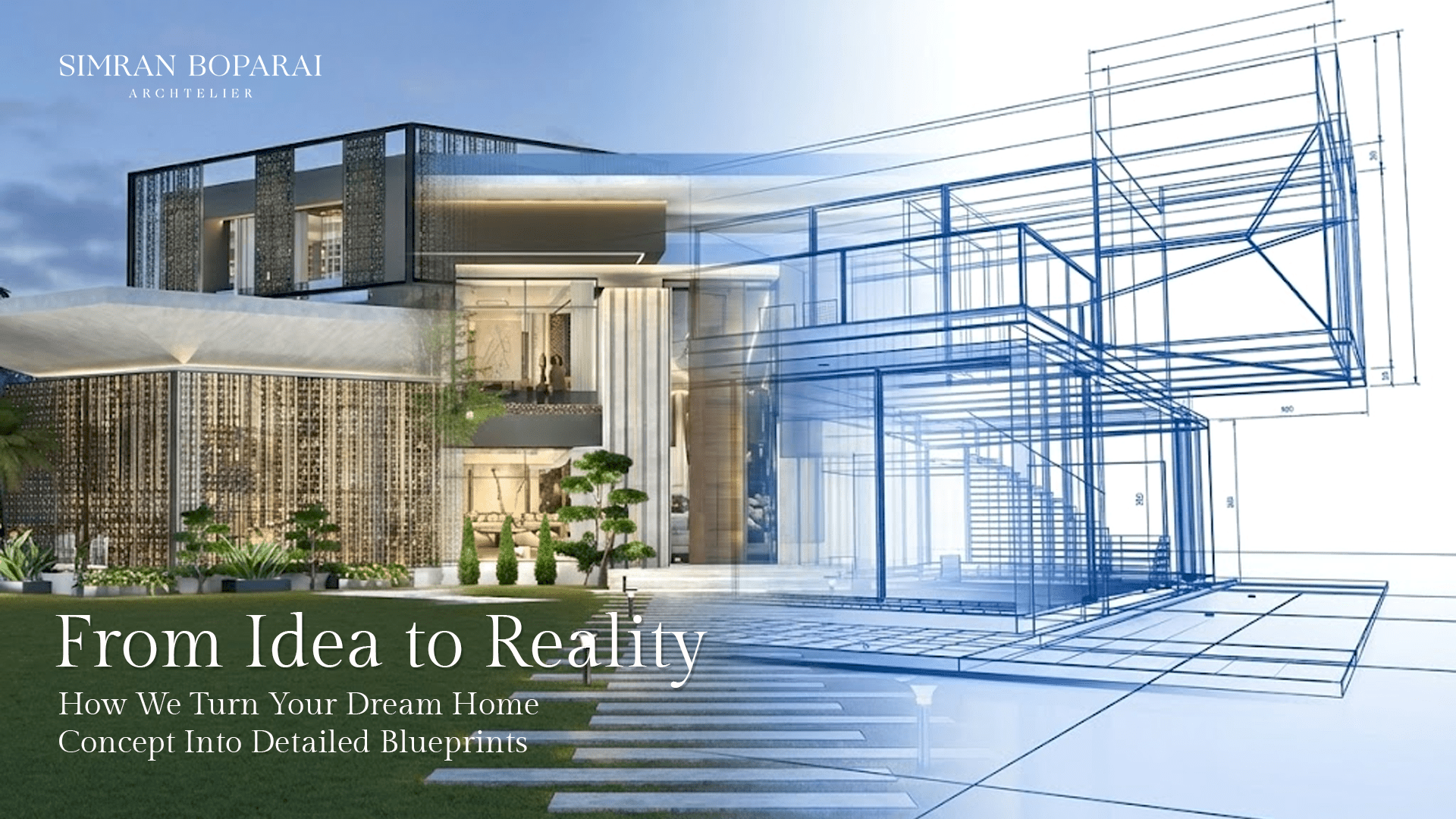
Every great home begins with a vision — a mental picture of a place that feels comforting, inspiring and deeply personal. But translating that dream into a physical space can feel overwhelming for many homeowners. They know what they want emotionally, but not necessarily how the architectural process actually transforms that Dream Home vision into detailed Blueprints ready for construction.
This is where a professional, high-end workflow makes all the difference. A thoughtful, organised and collaborative process ensures that no detail is missed and every idea has a structured path toward becoming reality. Many clients arrive with concerns: What if my ideas aren’t technically possible? What if the designer misinterprets my lifestyle needs? What if the final plan doesn’t match my imagination? These anxieties are real and completely understandable.
The agitation grows when you realise that designing a home involves hundreds of micro-decisions — from architectural elements and space planning to structural layouts, lighting flows and material choices. But the good news is that a well-defined design journey eliminates confusion and replaces it with clarity and confidence. With the right team, every step is transparent, intentional and crafted around your lifestyle.
Firms like Simran Boparai emphasise this clarity-driven method, ensuring that the complete transition from Idea to Reality feels seamless, structured and creatively fulfilling. Their approach brings artistic vision and technical excellence together, making the development of detailed drawings and construction-ready documents feel natural and deeply collaborative.
What follows is a complete, in-depth walkthrough of how the conception of your Dream Home is shaped, refined and transformed into architectural Blueprints that contractors can confidently build from. It is a journey of imagination, precision and trust — and understanding it helps every homeowner feel more empowered throughout their project.
The Power of the Initial Vision: Where Every Dream Home Begins
Every home starts with a story — your story. Before a single line is drawn, the design team devotes significant attention to understanding the emotional and functional core of your future home. During this stage, the objective is not to think technically but to dream freely. Homeowners often describe moods, inspirations, travel memories, favourite materials or even childhood homes that shaped their preferences.
The designer’s role here is to translate these emotions into actionable insights. This is where Architectural Visioning begins. The deeper the conversation, the more accurate the eventual Concept Design becomes. Instead of asking generic questions, the team dives into how you live: How you unwind after work, how you host people, how sunlight affects your mood, what kind of morning routine you enjoy or how much privacy you prefer in certain spaces.
This non-linear, discovery-driven step is one of the most crucial because it shapes the foundation of the entire project. Sophisticated design firms understand that homes are not built from materials alone — they are built from intention. By listening carefully, they connect your emotional blueprint with architectural possibilities.
A refined understanding begins to take shape, supported subtly by tools like 3D Home Visualisation, mood boards, style references, and curated material insights. Every design detail that follows will be aligned with this early emotional outline.
Conceptualisation: Turning Imagination Into Structured Ideas
Once the team fully understands the vision, the next stage involves shaping abstract ideas into early concepts. This is the moment where creativity meets structure. Concept sketches emerge, early layouts form and the first rough representation of your future home begins to breathe.
This stage is where the design team begins to evaluate functional zoning, movement flows, the relationship between rooms, natural light distribution and the architectural identity of the project. It’s also where homeowners begin to see their ideas visually represented — a moment that often sparks excitement and relief.
High-end studios excel in this phase because they treat conceptualisation as a delicate balance of aesthetics and practicality. The aim is to allow imagination to flow freely while ensuring all ideas remain viable from a construction standpoint. Early Space Planning ensures that every area of the house has a purpose, while Lifestyle Mapping defines how the home will support your day-to-day rhythms.
During this stage, designers may explore multiple conceptual directions before refining the one that best captures your personal design identity. Tools like 3D Architectural Rendering or digital sketches help refine the structure, proportions and interactions between different elevations. Even at this stage, quality architectural firms ensure transparency and involve the homeowner fully, allowing the vision to evolve organically.
By the end of this phase, you begin to see not just individual rooms, but a cohesive design language — the first true transformation of Idea to Reality.
Detailed Discussions and Refinement: Perfecting Every Element
After the conceptual layout is approved, the refinement phase begins. This is where the design becomes sharper, more intentional and far more detailed. The goal of this stage is to remove ambiguity and ensure that both the homeowner and the design team share a completely aligned vision before creating technical documents.
Refinement discussions may include deeper exploration of Material Selection, interior design moods, circulation patterns, furniture integration and lighting behaviour across different times of the day. The architect also begins coordinating structural logic, proportions and façade direction with the concepts visualised earlier.
This step helps the client and the designer jointly identify what works, what needs adjustment and what solutions best satisfy long-term practicality. The process becomes collaborative, educational and empowering — especially for homeowners who may initially feel unfamiliar with architectural complexities.
High-end studios integrate tools such as Interior Mood Mapping, façade previews, custom-built references and precise orientation plans to ensure the design’s functional and aesthetic layers evolve simultaneously. Communication is constant and deliberate, ensuring that your Dream Home retains its emotional authenticity while gaining architectural strength.
Once refinements are complete, the final concept is ready to enter the technical blueprinting phase — the backbone of any construction project.
Blueprint Development: Transforming Concepts into Technical Reality
The blueprint phase is one of the most technically demanding but also the most rewarding. This is the stage where the artistic design is translated into highly detailed architectural drawings, ensuring that contractors, engineers and vendors work with absolute precision.
Blueprints include structural layouts, wall details, electrical placements, plumbing lines, flooring grids, ceiling patterns and elevation drawings. They serve as the instructional map for every professional involved in the home’s construction.
This phase requires a deep understanding of engineering standards, building regulations and site-specific constraints. Even the most beautiful concept is only as good as its execution — and execution depends entirely on the quality of the Architectural Drafting and Construction Documentation.
Teams with strong technical expertise excel at identifying challenges long before they appear on-site. They evaluate load-bearing requirements, sun orientation, ventilation patterns and material compatibility. This ensures that the final design is not just visually captivating but also structurally sound, sustainable and long-lasting.
Blueprint development is also where collaboration with civil engineers, MEP consultants and landscape designers becomes essential. Every line drawn is measured, calculated and carefully tested against real-world behaviour.
By the time this stage is complete, your dream is no longer abstract — it is documented, engineered and ready to be built.
Visualisation Tools: Bringing Your Home to Life Before It’s Built
One of the most exciting advancements in modern architectural design is the use of immersive visualisation technology. Homeowners often struggle to imagine how certain layouts or materials will feel in real life. High-end studios solve this by offering interactive tools such as Virtual Walkthroughs, Photorealistic Rendering and 3D Model Presentations.
These tools allow you to preview your Dream Home long before the first brick is laid. You can see how shadows fall across your living room, how double-height windows change the atmosphere, or how the kitchen layout supports your cooking habits.
This visual clarity ensures you make confident, informed decisions. For many clients, this phase brings the first emotional connection to the physical form of their future home.
The subtle involvement of firms like Simran Boparai in these processes ensures that technical accuracy and artistic refinement remain perfectly aligned. Visualisation also helps identify improvements, optimise designs and elevate architectural depth before moving to construction.
Pre-Construction Alignment: Ensuring Zero Gaps Before Execution
Once the blueprints, renderings and technical drawings are created, the next major step is alignment. Multiple stakeholders review the entire design package to eliminate discrepancies, improve coordination and create a clear construction roadmap.
This stage includes site measurements, consultant approvals, budget alignment, timeline planning and construction feasibility assessments. Firms take extra care in this phase because any gaps left here can lead to unnecessary delays or compromises during construction.
Site-specific challenges such as soil conditions, climate, surrounding structures and municipal requirements are studied thoroughly. These insights are then integrated into the final plan, ensuring the blueprints are not just aesthetically correct but also practically buildable.
Pre-construction alignment is where technical precision meets real-world practicality — a step that distinguishes high-end architectural workflows from generic design services.
From Paper to Structure: When the Blueprint Finally Comes Alive
While the blog focuses primarily on the design-to-blueprint process, it’s important to understand what happens next. Once construction begins, the blueprint serves as the master guide. Contractors, engineers, suppliers and artisans rely on it daily.
Everything from room sizes and beam placements to window heights and lighting points follow the architectural documentation created earlier. A well-prepared blueprint ensures a smoother and more consistent construction journey.
Though construction supervision is a separate phase, clients often appreciate knowing that the design team remains involved through site visits, coordination and quality checks. This stage is where the dream truly becomes tangible — where you physically walk into spaces that once existed only in your imagination.
FAQ
- How long does it take to turn a Dream Home idea into complete blueprints?
Most high-end projects take several weeks to a few months depending on the scale, revisions, detailing and complexity. A structured workflow ensures the timeline stays smooth and predictable. - What information should I prepare before starting the design process?
Bring inspiration references, details about your lifestyle, functional requirements and any specific preferences for materials or layouts. These help the designer build an accurate foundation. - Are blueprints enough for contractors to begin construction?
Yes. Detailed architectural blueprints include structural, electrical and plumbing data necessary for a precise build. They serve as the main guide for the entire execution process. - Can I request design changes during the process?
Absolutely. High-end studios encourage discussions during conceptualisation and refinement phases so the final plan fully reflects your expectations and living style. - What makes a professional architectural workflow different from a basic designer’s approach?
A professional workflow is research-driven, detail-oriented and aligned with engineering standards. It balances creativity with technical precision, ensuring the dream concept translates perfectly into reality.