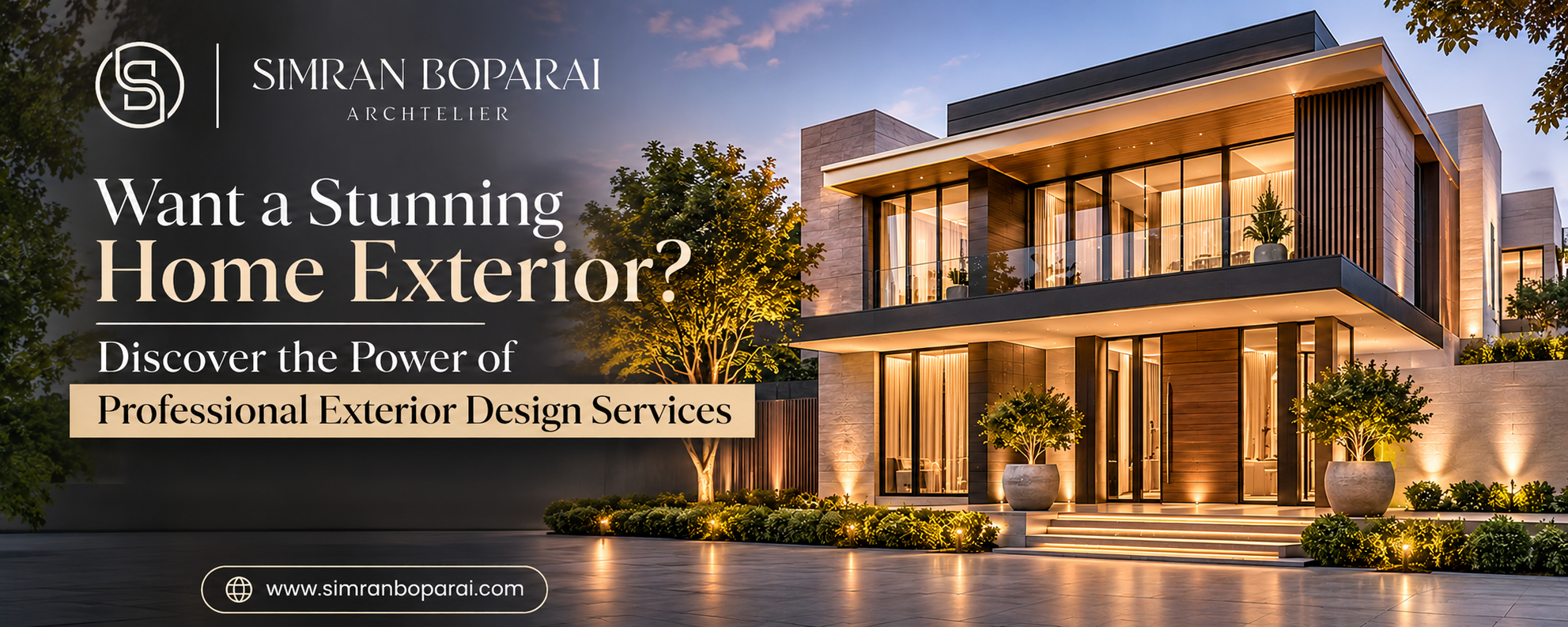
The exterior of a home creates its first impression, reflects the personality of its owners, and establishes the architectural character of the entire property. Before anyone experiences the interiors, the facade, entrance, windows, balconies, landscaping, and architectural details communicate the design philosophy behind the residence. A beautifully planned exterior can transform an ordinary building into an extraordinary architectural statement. This is why professional Exterior Design Services play such an important role in creating homes that are visually impressive, functional, and timeless.
Modern homeowners increasingly understand that a beautiful home is not defined by its interiors alone. The exterior deserves equal attention because it influences the property’s appearance, comfort, privacy, and long-term value. Whether someone is planning a luxurious villa, a contemporary residence, or a sophisticated family home, thoughtful exterior architecture helps bring the entire vision together.
At Simran Boparai Archtelier, architectural design is approached through a combination of creativity, precision, craftsmanship, and functionality. Every architectural element contributes to the overall experience of a residence. From the selection of exterior materials to the arrangement of facade elements, professional planning ensures that beauty and practicality work together.
Discover how the right exterior design approach can redefine your home and why investing in professional architectural expertise can make a meaningful difference.
Why Exterior Design Is Important for Every Home
A home’s exterior is much more than its outer appearance. It represents the architectural identity of the property and creates a connection between the building, its surroundings, and the people who live inside it. A carefully designed exterior improves visual appeal while supporting practical requirements such as privacy, natural lighting, ventilation, and weather protection.
Professional Exterior Design Services consider every element of the building as part of one coordinated architectural composition. The entrance, windows, roofline, balconies, boundary walls, lighting, and landscape should complement one another rather than appear as separate additions.
For example, a beautifully designed entrance can establish a welcoming atmosphere, while strategically positioned windows can introduce natural daylight and create interesting visual relationships between indoor and outdoor spaces. Similarly, thoughtfully selected materials can improve the appearance of a facade while providing durability against changing weather conditions.
Another important advantage of professional exterior planning is its contribution to property value. A distinctive and well-maintained exterior can make a residence more attractive to potential buyers and create a lasting impression in the surrounding neighbourhood.
What Do Professional Exterior Design Services Include?
Exterior architecture involves several interconnected design decisions. Each element needs to be considered according to the building’s structure, location, architectural style, and the homeowner’s lifestyle.
Architectural Facade Design
The facade is one of the most recognisable features of a home. It establishes the visual character of the building and determines how different architectural elements come together.
Professional facade planning considers proportions, symmetry, wall finishes, window arrangements, balconies, columns, and decorative details. The objective is to create a balanced composition that feels intentional and visually appealing.
For luxury residences, facade design may incorporate natural stone, elegant mouldings, textured surfaces, glass elements, and carefully planned architectural features. Contemporary properties may use simpler geometric forms and clean lines to create a sophisticated appearance.
Entrance and Main Gate Design
The entrance is an important architectural feature because it creates the first physical connection between visitors and the residence. A thoughtfully designed entrance establishes the atmosphere of the entire property.
Architectural entrance design may include statement doors, elegant canopies, columns, lighting, landscaped pathways, and carefully selected surface materials. The main gate and boundary wall should also complement the architectural language of the home.
For luxury properties, the entrance can become a defining element that expresses elegance without relying on excessive decoration.
Balcony, Terrace and Outdoor Space Planning
Balconies and terraces contribute to both the appearance and functionality of residential architecture. Their design should consider proportions, privacy, accessibility, weather exposure, and the views available from the property.
A well-planned terrace can become an outdoor lounge, entertainment area, or peaceful relaxation space. Balconies can introduce additional visual depth to the facade while providing opportunities to enjoy fresh air and natural surroundings.
Professional planning ensures that these spaces remain practical and visually connected with the rest of the building.
Exterior Lighting Design
Lighting changes how a home is experienced after sunset. Properly positioned lights can highlight architectural details, improve visibility, and create an inviting atmosphere.
Facade lighting can emphasise textures, columns, entrance features, and selected building surfaces. Pathway lighting improves movement around the property, while landscape lighting creates depth and visual interest.
The purpose of architectural lighting is not simply to make a building brighter. It is to reveal its architectural character through carefully controlled illumination.
Luxury Exterior Design: Creating a Grand Architectural Identity
Luxury architecture is not simply about using expensive materials or adding decorative features. It is about creating a complete architectural experience through thoughtful planning, refined detailing, and high-quality craftsmanship.
Luxury Exterior Design focuses on developing a distinctive identity that reflects the homeowner’s preferences while maintaining architectural balance. The design may incorporate elegant proportions, premium finishes, impressive entrances, sophisticated landscaping, and carefully coordinated lighting.
Natural stone, marble, textured plaster, glass, metal, and wood can all contribute to a luxurious exterior when selected and combined appropriately.
However, material selection should always support the overall architectural concept. Too many contrasting finishes can make a facade feel visually complicated. A refined luxury exterior generally benefits from a controlled material palette, consistent detailing, and carefully considered proportions.
The surrounding landscape also contributes to the experience. Beautifully planned gardens, water features, outdoor seating, and pathways can make a luxury residence feel more connected with its environment.
Ultimately, a successful luxury exterior should communicate sophistication through quality, harmony, and attention to detail.
Modern House Exterior Design for Contemporary Living
Contemporary architecture has changed the way homeowners approach residential exteriors. Instead of relying entirely on traditional decorative features, modern homes often explore geometric forms, open spaces, natural materials, and carefully designed architectural contrasts.
Modern House Exterior Design focuses on simplicity, functionality, and visual clarity. Clean lines, balanced proportions, large windows, minimal detailing, and innovative material combinations are commonly used to create a distinctive appearance.
One popular approach is combining different textures within a controlled colour palette. For instance, natural stone can add warmth to a smooth plaster facade, while metal accents can introduce a contemporary architectural character.
Large windows are another important feature of modern residential design. They create visual openness and allow natural light to enter interior spaces. However, their placement should consider privacy, orientation, shading, and the surrounding environment.
Modern architecture also encourages a stronger relationship between indoor and outdoor living. Courtyards, covered terraces, garden-facing openings, and outdoor seating areas can make everyday residential experiences more connected with nature.
The most successful contemporary exteriors combine attractive architectural forms with practical solutions that support comfortable living.
Residential Exterior Design: Balancing Beauty and Functionality
Every residence has different architectural requirements depending on its size, location, surrounding environment, and the lifestyle of its occupants. Therefore, Residential Exterior Design should never follow a completely identical formula for every property.
A compact urban home may require a different approach from a spacious villa or an independent farmhouse. While one project may benefit from a minimal facade with efficient openings, another may require grand architectural elements, landscaped surroundings, and multiple outdoor living areas.
Professional designers consider these differences during the planning process.
For family residences, privacy and comfort are particularly important. Window placement, balcony orientation, boundary walls, and landscape buffers can help create private spaces without making the exterior feel closed or disconnected.
Climate is another important consideration. Homes in warmer regions may benefit from shading devices, covered balconies, deep overhangs, and materials suitable for local weather conditions. Proper planning can improve outdoor comfort and reduce unnecessary heat gain.
The goal is to create an exterior that looks attractive while responding intelligently to the needs of everyday life.
Luxury Home Facade Design: The Art of Architectural Proportion
The facade is often the most visible expression of a home’s architectural personality. It communicates the style, scale, and quality of the residence through its overall composition.
Luxury Home Facade Design requires a careful understanding of proportion, symmetry, material selection, and architectural detailing. A facade should look balanced from different viewpoints and maintain a consistent relationship between its individual elements.
The Importance of Symmetry and Balance
Symmetry is particularly influential in classical and neoclassical residential architecture. Balanced window arrangements, columns, entrance features, and decorative mouldings can create an elegant and harmonious appearance.
However, symmetry is not essential to every architectural style. Contemporary architecture often uses carefully planned asymmetrical compositions to create visual interest.
The important factor is balance. Even when different elements are arranged asymmetrically, their proportions, scale, and material relationships should create a visually coherent result.
Selecting the Right Exterior Colours
Colour selection has a major influence on how a building is perceived. Neutral shades such as ivory, beige, warm grey, cream, and soft white can create an elegant appearance.
For contemporary residences, darker accents, natural wood tones, and subtle contrasts can introduce depth and sophistication.
The right colour palette should complement the selected materials, architectural style, landscape, and surrounding environment.
Architectural Details and Finishes
Architectural details give a facade its individual character. Cornices, columns, mouldings, recessed panels, decorative frames, and textured surfaces can contribute to a distinctive appearance.
However, every detail should have a clear design purpose. Excessive decoration can make the exterior appear crowded, while carefully selected details can create a sense of refinement.
Professional exterior planning helps maintain this balance.
Architectural Exterior Design: Connecting Structure, Style and Surroundings
Architectural Exterior Design requires more than an understanding of visual aesthetics. It involves coordinating the building’s structure, functional requirements, environmental conditions, and architectural identity.
A successful design begins with understanding the site. Its orientation, dimensions, surrounding buildings, natural light, climate, and available views all influence the exterior planning process.
The building’s internal layout should also inform its external composition. Windows should correspond with interior requirements, balconies should connect naturally with usable spaces, and entrances should support convenient movement.
This coordination prevents the facade from becoming a decorative surface that does not reflect the actual needs of the residence.
Landscape planning is equally important. Trees, plants, pathways, boundary treatments, and outdoor seating can strengthen the relationship between the building and its surroundings.
When architecture and landscape are developed together, the result feels more complete and harmonious.
Modern Exterior Design Ideas That Can Transform Your Home
Homeowners looking to improve their property’s appearance can explore different architectural approaches. The most suitable ideas depend on the home’s scale, architectural style, and personal preferences.
Natural Materials and Textured Surfaces
Natural stone, wood, concrete, and textured plaster can introduce visual depth and character. Their textures create interesting contrasts and help establish a connection with the surrounding environment.
Using a limited selection of complementary materials often produces a more sophisticated appearance than combining too many finishes.
Large Windows and Contemporary Glazing
Large windows can make a home feel more open and visually connected with the outdoors. They also provide opportunities for natural daylight and attractive views.
Their design should consider solar exposure, shading, privacy, and energy performance to ensure that visual openness does not compromise comfort.
Minimalist Geometric Architecture
Simple geometric forms, clean lines, and carefully positioned openings are important characteristics of contemporary residential architecture.
Minimalism does not mean removing every detail. Instead, it involves focusing on the elements that genuinely contribute to the design.
Green Walls and Landscape Integration
Green walls, landscaped courtyards, vertical gardens, and strategically placed trees can soften the appearance of modern buildings.
These features introduce natural textures, improve the visual environment, and can contribute to shading and privacy when planned appropriately.
Statement Entrances
A distinctive entrance can become the focal point of a residential facade. Architectural doors, elegant canopies, textured surfaces, and subtle lighting can create an impressive arrival experience.
These Modern Exterior Design Ideas can help homeowners create an exterior that feels contemporary while maintaining a strong architectural identity.
Sustainable and Climate-Responsive Exterior Architecture
Sustainability has become an important consideration in modern residential architecture. A beautiful home should also respond responsibly to its environment and support comfortable living.
Professional Exterior Design Services can incorporate climate-responsive strategies that improve the building’s overall performance.
Orientation is one of the most important considerations. Understanding the direction of sunlight can help determine window placement, shading requirements, and outdoor space planning.
Deep overhangs, pergolas, screens, shaded balconies, and carefully positioned vegetation can reduce direct solar exposure in suitable conditions.
Material selection also matters. Exterior finishes should be chosen according to local climate, durability, maintenance requirements, and environmental considerations.
Rainwater management, energy-efficient lighting, appropriate insulation, and responsible material choices can further support sustainable residential design.
The objective is not to follow sustainability trends simply for appearance. It is to create a home that performs efficiently while maintaining its architectural quality.
The Role of Landscaping in Home Exterior Design
A building does not exist independently of its surroundings. Its landscape influences how people approach, experience, and interact with the property.
Thoughtful Home Exterior Design should therefore include landscape considerations from the beginning of the architectural process.
Trees can frame the facade, gardens can soften hard architectural surfaces, and pathways can guide visitors towards the main entrance. Outdoor seating areas can extend the usable living environment, while courtyard gardens can introduce greenery into the centre of a residence.
For larger properties, landscape planning may also include water features, lawns, outdoor dining areas, decorative lighting, and private garden spaces.
The relationship between architecture and nature should feel natural rather than forced. The landscape should complement the home’s architectural character while supporting privacy, comfort, and usability.
Common Exterior Design Mistakes Homeowners Should Avoid
Even attractive design concepts can produce disappointing results when important architectural considerations are overlooked.
One common mistake is selecting too many exterior materials. Combining numerous colours, textures, and finishes without a consistent design direction can make the facade appear visually confusing.
Another mistake is focusing entirely on decoration while ignoring proportions. Expensive materials and elaborate architectural features cannot compensate for poorly balanced windows, entrances, or building volumes.
Ignoring climate conditions can also create long-term problems. Materials that are unsuitable for local weather may require frequent maintenance, while inadequate shading can affect indoor comfort.
Poor lighting placement is another issue. Excessive illumination can overpower the facade, whereas insufficient lighting may hide important architectural details.
Finally, homeowners should avoid choosing designs simply because they are currently fashionable. A residential exterior is a long-term investment, so its architectural language should remain relevant beyond temporary trends.
Professional planning helps identify these challenges before construction begins.
Why Choose Professional Exterior Design Services from Simran Boparai Archtelier?
Creating a distinctive home exterior requires a combination of architectural creativity, technical understanding, material knowledge, and attention to detail.
Simran Boparai Archtelier approaches architecture through a design philosophy that values precision, artistry, functionality, and timeless elegance. The objective is to create spaces that reflect individual preferences while maintaining a strong architectural identity.
For residential projects, this approach considers the relationship between the facade, interiors, materials, lighting, and surrounding environment.
Whether the preferred direction is contemporary minimalism, neoclassical elegance, or a sophisticated luxury villa, the design should feel connected with the homeowner’s vision.
Professional planning also helps coordinate different architectural elements before execution. This can reduce design inconsistencies and create a clearer direction for the construction process.
From facade composition and entrance planning to material coordination and landscape integration, each decision contributes to the overall quality of the residence.
Choosing experienced architectural guidance can help homeowners transform their ideas into a well-considered and distinctive home.
How to Get Started with Your Home Exterior Design Project
Planning a new exterior begins with understanding what you want your home to represent. Before starting the design process, homeowners should consider their preferred architectural style, functional requirements, available budget, site conditions, and long-term expectations.
Collecting architectural references can help communicate visual preferences, but the final design should always respond to the specific property rather than simply copying another building.
The next step involves evaluating the site, understanding the existing structure or proposed floor plan, and developing an architectural concept.
Material palettes, facade proportions, entrance details, window arrangements, landscape elements, and lighting can then be coordinated within the overall design direction.
Professional consultation makes this process more organised because architectural decisions are considered together rather than made independently.
For homeowners planning a new villa, renovating an existing residence, or developing a bespoke property, early involvement of an architectural designer can make the entire process more cohesive.
Conclusion: Create a Home Exterior That Leaves a Lasting Impression
A stunning home exterior is the result of thoughtful architectural planning, quality materials, balanced proportions, and attention to the smallest details. It should reflect the homeowner’s personality while responding to practical requirements such as privacy, comfort, climate, and long-term durability.
Professional Exterior Design Services bring these elements together to create a residence that is attractive, functional, and architecturally meaningful.
From Luxury Exterior Design and contemporary facades to carefully planned landscaping and sustainable architectural solutions, every decision contributes to the identity of a home.
At Simran Boparai Archtelier, the emphasis on precision, craftsmanship, artistry, and timeless design offers an architectural perspective that goes beyond temporary trends.
A beautiful exterior should not simply impress people when they first see it. It should continue to feel relevant, welcoming, and thoughtfully designed for years to come.
Frequently Asked Questions (FAQs)
1. What are Exterior Design Services?
Exterior Design Services involve planning and designing the external appearance and functional elements of a property. These services may include facade design, entrance architecture, window placement, balcony planning, material selection, exterior lighting, and landscape integration.
2. Why should I hire a professional exterior designer?
A professional exterior designer helps create a balanced architectural appearance while considering practical factors such as climate, privacy, materials, natural lighting, and functionality. Professional planning can also help avoid design inconsistencies during construction.
3. What is included in Luxury Exterior Design?
Luxury Exterior Design may include bespoke facade architecture, premium exterior materials, statement entrances, elegant lighting, landscaped surroundings, sophisticated detailing, and carefully coordinated architectural elements.
4. How can I make my home exterior look modern?
You can create a modern appearance through clean architectural lines, balanced geometric forms, natural materials, large windows, minimalist detailing, contemporary lighting, and thoughtfully integrated landscaping.
5. Which materials are best for residential exterior design?
Natural stone, textured plaster, concrete, wood, glass, and metal are commonly used in residential exterior architecture. The best choice depends on the architectural style, climate, maintenance requirements, durability, and project budget.
6. How does facade design affect the value of a property?
A well-designed facade improves the visual identity and overall presentation of a residence. Quality materials, balanced proportions, and good maintenance can make a property more appealing and contribute to its perceived market value.
7. Can exterior design improve energy efficiency?
Yes. Appropriate building orientation, shading devices, insulated materials, energy-efficient lighting, and climate-responsive window placement can contribute to better energy performance and indoor comfort.
8. What is the difference between modern and luxury home exterior design?
Modern exterior design generally focuses on clean lines, simple geometry, functional planning, and contemporary materials. Luxury exterior design focuses on refinement, craftsmanship, premium finishes, personalised details, and a distinctive architectural experience. Both approaches can be combined.
9. Why is landscaping important in home exterior design?
Landscaping complements the building’s architecture, improves the arrival experience, supports privacy, and creates attractive outdoor spaces. It also helps establish a stronger connection between the residence and its natural surroundings.
10. How can I begin an exterior design project with Simran Boparai Archtelier?
You can begin by visiting the Simran Boparai Archtelier website and sharing your project requirements, site details, preferred architectural style, and design expectations. Professional guidance can help develop an exterior concept that reflects your vision and lifestyle.