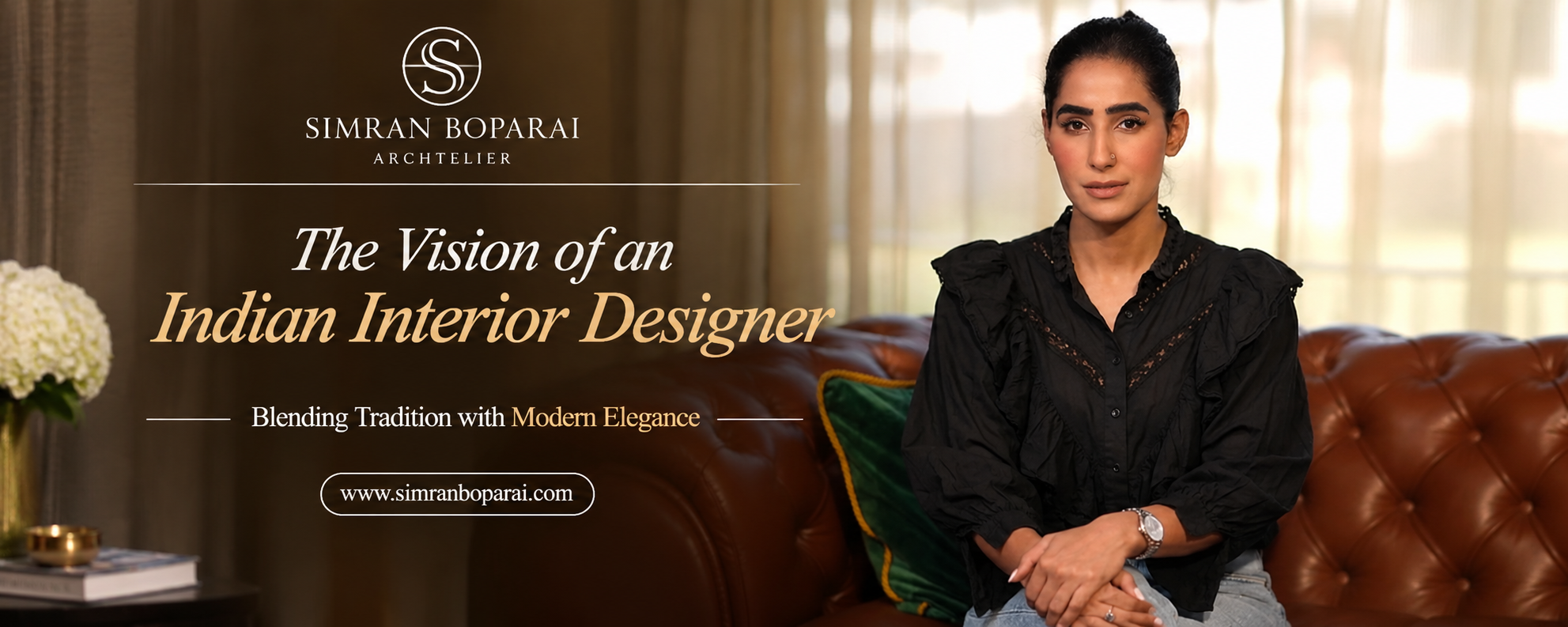
Introduction: Where Indian Heritage Meets Modern Living
Interior design is more than selecting furniture, choosing colour palettes or decorating rooms with beautiful accessories. It is an art of creating environments that reflect individual personalities, lifestyles, cultural backgrounds and aspirations. In India, where traditions, craftsmanship and architectural diversity have influenced homes for generations, interior design carries a deeper meaning. It connects the past with the present while creating spaces that respond to the needs of modern living.
An experienced Indian Interior Designer understands that every home has its own identity. Indian homes are shaped by cultural values, family relationships, traditional craftsmanship, regional influences and changing lifestyles. At the same time, contemporary homeowners increasingly appreciate clean architectural lines, open layouts, sophisticated materials and intelligent planning. Bringing these different influences together requires creativity, sensitivity and a strong understanding of design principles.
The vision behind beautiful Contemporary Home Interiors is not to replace traditional Indian aesthetics with modern trends. Instead, it is about discovering ways to reinterpret cultural elements through a contemporary design language. From handcrafted furniture and natural materials to modern lighting and minimalist layouts, every detail can contribute to a home that feels both meaningful and visually refined.
For Simran Boparai Archtelier, this design philosophy represents an opportunity to create spaces where cultural character and contemporary elegance exist in harmony.
Understanding the Cultural Identity of Indian Interior Design
Indian interior design has developed through centuries of architectural traditions, regional craftsmanship and artistic expression. Every region has its own distinctive design vocabulary, influenced by its climate, available materials, history and cultural practices. From the carved wooden elements of traditional homes to intricate stonework, decorative textiles and handcrafted furnishings, Indian interiors offer an extraordinary collection of design inspiration.
An Indian Interior Designer draws from this cultural richness while understanding how to adapt it to modern residential requirements. The objective is not necessarily to recreate a traditional setting but to identify the elements that give Indian design its character and incorporate them thoughtfully into contemporary spaces.
Traditional Indian homes often feature warm colours, natural textures, detailed craftsmanship and spaces designed around family interactions. These qualities continue to influence modern interior design, although their presentation has evolved. Instead of heavily decorated rooms, homeowners may prefer subtle references to heritage through carved furniture, handcrafted accessories, traditional artwork or textured surfaces.
The beauty of this approach lies in its flexibility. Cultural influences can be expressed through a single statement piece or become an important part of the entire interior concept. The result is a home that feels connected to its roots without appearing outdated.
The Evolving Role of an Indian Interior Designer
The expectations of homeowners have changed significantly over time. Earlier, interior design was often associated primarily with decoration and furniture arrangement. Today, it involves a comprehensive understanding of architecture, spatial planning, lighting, material selection, ergonomics and lifestyle requirements.
A professional Indian Interior Designer must understand how people interact with their surroundings. Every room should support its intended function while contributing to the overall character of the home. A living room may need to accommodate family gatherings, social occasions and moments of relaxation. A bedroom should encourage comfort and privacy, while a kitchen must support efficient movement and practical storage.
Contemporary residential design also requires attention to technology, sustainability and long-term usability. Homeowners increasingly look for interiors that are aesthetically appealing but also adaptable to changing family needs.
This evolving responsibility makes interior design a thoughtful process rather than a purely decorative exercise. The designer must balance creative expression with technical knowledge, ensuring that every design decision contributes to a comfortable and cohesive living environment.
Designing Around Individual Lifestyles
Every homeowner has different expectations from their living space. Some prefer understated elegance, while others enjoy expressive colours, artistic elements and distinctive furniture. Families with children may prioritise durable materials and practical storage, whereas individuals working from home may need dedicated spaces that support concentration and productivity.
Understanding these requirements is the starting point of meaningful interior design. Rather than following a fixed style, the designer develops a concept around the people who will experience the space every day.
Preserving Cultural Character Through Modern Design
Cultural identity does not have to disappear when a home adopts a contemporary appearance. Traditional Indian craftsmanship, artwork, patterns and materials can become part of a modern design composition when used with balance and intention.
A handcrafted wooden console, a traditional textile artwork or a subtle brass accent can introduce cultural warmth into a minimalist setting. These details make interiors feel personal and distinctive without overwhelming the overall design.
The Cultural Influence Behind Contemporary Home Interiors
One of the most interesting aspects of Indian interior design is its ability to combine cultural richness with modern simplicity. India offers a wide range of architectural and decorative traditions, including Mughal-inspired arches, Rajasthani craftsmanship, South Indian wooden detailing, traditional textiles and intricate stonework.
These influences can become valuable elements in Contemporary Home Interiors when incorporated thoughtfully. Modern design does not require removing every traditional feature. Instead, it creates opportunities to reinterpret these elements in ways that complement present-day lifestyles.
Traditional Craftsmanship as a Design Feature
Handcrafted details bring individuality and authenticity to residential spaces. Carved wooden furniture, decorative metalwork, handmade ceramics and traditional textiles can introduce warmth into contemporary environments.
Rather than filling an entire room with decorative objects, a designer can select a few meaningful pieces that become visual highlights. A handcrafted console in an elegant entrance or a traditional artwork above a modern fireplace can create an interesting contrast between heritage and modernity.
Indian Textiles and Patterns in Modern Spaces
Indian textiles are recognised for their craftsmanship, patterns and colours. Materials such as handwoven cotton, silk, linen and embroidered fabrics can introduce cultural character into modern interiors.
These textiles can be incorporated through curtains, cushions, upholstery, rugs and decorative accessories. The key is to maintain visual balance by combining expressive patterns with simpler furniture and neutral backgrounds.
This approach allows traditional artistry to become part of a contemporary lifestyle without making the interiors appear excessively decorative.
The Importance of Contemporary Design in Modern Indian Homes
Modern Indian homeowners are increasingly looking for homes that combine sophistication, comfort and functionality. Their expectations extend beyond visual appearance because residential spaces must support multiple activities, family interactions and individual lifestyles.
Contemporary Home Interiors respond to these changing expectations through thoughtful spatial planning, practical furniture arrangements, refined materials and carefully selected decorative elements.
The contemporary approach is not limited to minimalism. It can accommodate luxurious finishes, traditional influences, artistic furniture and architectural detailing while maintaining a sense of visual harmony.
Open-Plan Living and Functional Spaces
Open-plan layouts have become an important feature of contemporary residential design. By connecting living, dining and kitchen areas, designers can create environments that feel spacious, welcoming and connected.
In Indian homes, these spaces can support family gatherings and social interactions while improving the movement between different functional areas.
However, open planning requires careful consideration. Furniture placement, lighting, flooring and ceiling treatments can help define individual zones without introducing unnecessary partitions.
For example, a dining table can establish a visual connection between the kitchen and living area, while a distinctive ceiling treatment can give the lounge its own identity.
Minimalism with a Touch of Luxury
Minimalist design is often associated with simplicity, clean surfaces and limited decoration. However, minimalism does not mean that a home must feel empty or lack personality.
A refined contemporary interior can combine understated furniture with luxurious materials such as natural stone, premium wood, textured plaster and elegant metal finishes.
The focus is on quality rather than quantity. Instead of introducing numerous decorative features, the designer carefully selects elements that contribute to the overall atmosphere.
For an Indian Interior Designer, this approach creates opportunities to combine contemporary restraint with the richness of Indian materials and craftsmanship.
Colour Palettes That Connect Tradition and Modernity
Colour plays an important role in defining the personality of a home. Traditional Indian interiors are often associated with rich colours such as maroon, saffron, emerald green, royal blue and earthy terracotta.
Contemporary interiors, meanwhile, frequently incorporate softer shades such as beige, ivory, warm white, grey and muted natural tones.
Combining these two approaches can produce visually sophisticated environments.
Earthy Colours and Natural Inspiration
Earth-inspired colours create a calming atmosphere while maintaining a connection with nature. Shades of sand, clay, warm brown, olive green and muted terracotta work particularly well in residential interiors.
These colours can be used across walls, upholstery, flooring and decorative accessories.
Natural colour palettes also complement materials such as wood, stone, linen and handmade ceramics, creating a cohesive interior environment.
Statement Colours for Visual Character
A neutral colour palette can become more expressive through carefully selected statement colours. An emerald green accent chair, a deep blue artwork or a terracotta decorative wall can introduce character without overwhelming the room.
The objective is to establish a clear relationship between the dominant colours and accent shades.
An experienced Indian Interior Designer understands that colour selection should consider natural light, room proportions, material finishes and the overall architectural concept.
Material Selection: Bringing Nature into Interior Design
Materials influence how a home looks, feels and performs. Their texture, durability, appearance and maintenance requirements should all be considered during the design process.
Natural materials are particularly valuable in Indian residential interiors because they offer warmth, visual depth and a connection with the surrounding environment.
Natural Stone and Marble
Marble, granite, limestone and other natural stones can create sophisticated interior surfaces. They are commonly used for flooring, countertops, feature walls and selected architectural details.
Each stone has its own natural patterns and variations, making every installation visually distinctive.
For luxury Contemporary Home Interiors, natural stone can be combined with simpler furniture, warm lighting and restrained decorative details to achieve an elegant result.
Wood and Handcrafted Finishes
Wood introduces warmth and texture into residential spaces. It can be used for flooring, wall panels, furniture, doors, wardrobes and decorative architectural elements.
Different wood tones can create different atmospheres. Lighter finishes may produce an airy contemporary appearance, while darker finishes can add depth and sophistication.
Handcrafted wooden elements also offer opportunities to introduce traditional Indian craftsmanship into modern residential environments.
Glass and Metal Accents
Glass helps create visual openness, while metal finishes introduce refinement and contrast.
Brass, bronze, stainless steel and other metal finishes can be incorporated into lighting fixtures, furniture details, handles and decorative elements.
When combined with stone and wood, these materials create layered interiors that feel modern without losing their warmth.
Lighting: Creating Atmosphere and Architectural Beauty
Lighting is one of the most influential elements of interior design. It determines how materials appear, highlights architectural features and creates different moods throughout the day.
A thoughtfully designed lighting scheme combines natural daylight with artificial lighting to support both functionality and visual comfort.
Natural Lighting in Indian Homes
Natural light makes residential interiors feel open, welcoming and connected to the outdoors.
Large windows, well-positioned openings, skylights and courtyards can help introduce daylight into different parts of a home.
However, Indian climatic conditions also require careful consideration of heat and glare. Window treatments, shading devices, screens and appropriate orientation can help maintain comfort while allowing natural light to enter.
Layered Artificial Lighting
Artificial lighting should serve different purposes rather than relying on a single source.
Ambient lighting provides general illumination, task lighting supports activities such as reading and cooking, and accent lighting highlights artwork, architectural details and decorative features.
Pendant lights, chandeliers, wall lights and concealed lighting can all contribute to a well-balanced scheme.
In contemporary residential spaces, lighting fixtures can also become statement design elements that enhance the overall character of the interiors.
Designing Different Areas of a Contemporary Indian Home
Every area of a home has specific functional and aesthetic requirements. A successful design approach recognises these differences while maintaining consistency across the entire residence.
Living Rooms That Reflect Personality
The living room is often the most expressive area of an Indian home. It accommodates family gatherings, conversations, entertainment and social occasions.
A thoughtfully designed living room should provide comfortable seating, suitable circulation and a balanced arrangement of furniture.
Statement sofas, handcrafted coffee tables, textured wall finishes and carefully selected artwork can establish its character.
In Contemporary Home Interiors, living rooms often benefit from a combination of open space, natural materials and layered lighting.
Bedrooms Designed for Comfort
Bedrooms should offer privacy, relaxation and a sense of personal identity.
The selection of colours, materials, furniture and lighting should support a comfortable environment. Upholstered headboards, soft textiles, warm lighting and practical storage solutions can contribute to the overall experience.
Traditional influences can also be introduced through handcrafted bedside furniture, textile artwork or subtle decorative patterns.
Kitchens That Combine Style and Functionality
Modern kitchens need to be visually appealing as well as highly practical.
The arrangement of appliances, work surfaces, storage and movement paths should be carefully planned. Durable materials and easy-to-maintain finishes are particularly important.
Contemporary kitchen designs often incorporate streamlined cabinetry, integrated appliances, stone countertops and layered task lighting.
For Indian households, the design should also respond to everyday cooking habits, storage requirements and family preferences.
Dining Areas That Encourage Togetherness
Dining spaces hold an important place in Indian family life. They are associated with celebrations, conversations and everyday moments of connection.
A well-designed dining area should provide comfortable seating, appropriate lighting and convenient access to the kitchen.
A distinctive dining table, elegant pendant lighting and carefully selected artwork can establish a refined atmosphere.
Traditional craftsmanship can be incorporated through furniture detailing or decorative accessories without compromising the contemporary design language.
The Role of Furniture in Contemporary Home Interiors
Furniture is an essential part of residential design because it influences comfort, circulation and visual balance.
An Indian Interior Designer must consider the scale, proportion, material and placement of every furniture piece.
Oversized furniture can make smaller rooms feel crowded, while furniture that is too small may appear disconnected from the surrounding architecture.
Custom-designed furniture provides an opportunity to create pieces that respond to specific room dimensions and individual preferences.
Bespoke Furniture and Personalisation
Bespoke furniture allows homeowners to introduce unique design elements into their interiors. Custom sofas, dining tables, wardrobes, consoles and storage units can be designed according to the requirements of a particular space.
Traditional Indian craftsmanship can also be incorporated into contemporary furniture through carved details, handcrafted finishes and distinctive material combinations.
This creates furniture that is both functional and meaningful.
Smart Technology and the Future of Indian Homes
Technology is changing the way people experience residential environments. Smart-home systems allow homeowners to manage lighting, temperature, security, entertainment and other functions through connected devices.
However, technology should complement the design rather than dominate it.
Integrated lighting controls, automated curtains, concealed speakers and intelligent climate systems can improve convenience while maintaining a clean visual appearance.
Contemporary Home Interiors increasingly consider technology during the initial planning stages so that electrical requirements, equipment locations and control systems can be incorporated seamlessly.
The future of Indian residential design will involve a stronger relationship between architecture, interior planning, technology and everyday comfort.
Sustainability and Responsible Interior Design
Sustainable design is becoming an important consideration for homeowners and designers. It encourages the thoughtful use of materials, energy, natural resources and available space.
In India, sustainable interior design can draw inspiration from traditional architectural practices that responded to local climates and environmental conditions.
Courtyards, shaded openings, cross-ventilation, natural materials and climate-sensitive planning offer valuable lessons for contemporary residential design.
Choosing Durable and Responsible Materials
Selecting durable materials can reduce the need for frequent replacements. Natural stone, quality timber, responsibly sourced finishes and long-lasting furniture can contribute to more sustainable residential environments.
Designers can also explore recycled materials, low-emission finishes and locally produced products where appropriate.
Designing for Natural Comfort
Natural ventilation, daylight and shading can improve the comfort of a home while reducing dependence on artificial systems.
These decisions should be considered alongside the building’s orientation, local climate and surrounding environment.
Sustainability is most effective when it becomes part of the design philosophy rather than an additional decorative feature.
The Design Philosophy of Simran Boparai Archtelier
At Simran Boparai Archtelier, design is approached as a combination of architectural understanding, artistic expression, craftsmanship and functionality. The practice focuses on creating distinctive spaces where individual vision and refined design principles come together.
Simran Boparai’s design philosophy reflects an appreciation for architectural proportions, neoclassical influences, sophisticated detailing and carefully coordinated execution. These principles provide a foundation for developing interiors that balance visual character with practical requirements.
The studio’s approach brings together architecture, interior design, furniture, décor, lighting and smart-home solutions. This wider perspective allows different aspects of a residential project to be considered as connected parts of one design vision.
For homeowners exploring Contemporary Home Interiors, this integrated approach can be particularly valuable. Rather than treating furniture, lighting, materials and architecture as separate decisions, the design process considers how they contribute to the complete residential experience.
The aim is to create homes that reflect personal preferences while maintaining a strong sense of proportion, quality and timeless appeal.
Why Choosing the Right Indian Interior Designer Matters
Choosing an interior designer is an important decision because the professional will help shape the environment in which homeowners spend much of their everyday lives.
A suitable designer should understand the relationship between aesthetics, functionality, construction, materials and personal requirements.
The design process should begin with meaningful discussions about the homeowner’s lifestyle, expectations, budget and preferred design direction.
An experienced Indian Interior Designer can translate these requirements into a cohesive concept while considering practical aspects such as space utilisation, storage, circulation, lighting and material performance.
Understanding the Homeowner’s Vision
Every successful project begins with understanding the people who will use the space. Their routines, cultural preferences, family structure and future requirements should influence the design.
Maintaining Design Consistency
A home should feel connected from the entrance to the private living areas. Consistent material choices, architectural details, colours and lighting approaches help establish a unified identity.
Balancing Beauty and Functionality
Beautiful interiors should also support everyday activities. Practical storage, comfortable furniture, appropriate lighting and easy movement are essential parts of a successful residential design.
Paying Attention to Every Detail
The quality of an interior is often reflected in its smallest details. Material junctions, furniture finishes, lighting positions, hardware and decorative elements should all be considered carefully.
Conclusion: Creating Homes That Celebrate Heritage and Modern Living
The vision of an Indian Interior Designer goes beyond following contemporary trends or recreating traditional interiors. It involves understanding the cultural richness of India while recognising the changing expectations of modern homeowners.
The most successful Contemporary Home Interiors bring together heritage, craftsmanship, modern materials, intelligent planning and personal expression. They allow traditional elements to coexist with contemporary aesthetics, creating environments that feel sophisticated, comfortable and meaningful.
From natural stone and handcrafted furniture to open-plan living, layered lighting and smart technology, every design decision contributes to the identity of a home.
At Simran Boparai Archtelier, this philosophy reflects the belief that exceptional design should balance artistry, functionality and timeless elegance. By bringing architecture and interiors together, the goal is to create residential spaces that are not simply visually impressive but also connected to the people who inhabit them.
Ultimately, a beautiful home is one that respects its roots while embracing the possibilities of the future. It tells a personal story through its materials, proportions, details and atmosphere, creating a lasting relationship between cultural heritage and contemporary living.