
Introduction
Architectural Elegance exists through balance but not through excessive elements which create architectural grandeur. The process of designing a building requires architects to create harmony between their design elements through architectural elements and their understanding of home design functions and emotional design atmosphere. In the current upscale residential market homeowners prefer to create their living spaces through controlled design elements which produce a timeless aesthetic.
Home design quality depends on more than just its total square footage and its financial expenditure. The system provides support for daily activities while creating a distinctive visual style. Architectural experts use their advanced understanding of design principles to develop successful residential projects. Modern residences need to provide their inhabitants with both physical comfort and permanent architectural value.
The blog explains how Architectural Elegance creates modern residential spaces which now serve as the standard for luxury home design. The blog examines the process which designers use to create spaces that maintain their timeless appeal instead of following temporary fashion trends.
What Architectural Elegance Really Means
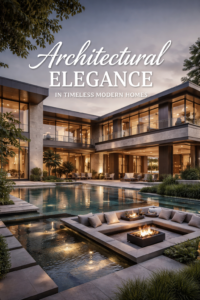
Architectural Elegance gets confused with two design styles which are simple and minimalistic. The actual definition of the term refers to a method of controlling design elements. The process requires designers to determine which design elements to include and which ones to leave out and to find the correct design balance between all space elements.
The architectural elegance of a building emerges from:
The design of its spaces
The correct proportions used in its design
The selection of building materials which have been controlled
The design of various areas which enables smooth movement between them
The design of spaces which handles light in a deliberate manner
The concept of doing less work does not drive this project forward. The work requires complete accuracy in every aspect.
A home that embodies Architectural Elegance feels effortless. The design of everything appears natural and there is no tendency toward excessive decoration. Every space has a purpose, and every element contributes to the overall experience.
The Shift Toward Intelligent Luxury Living
The definition of luxury in residential design has evolved. Clients are no longer impressed by scale alone. Large homes without clarity in planning or flow often feel inefficient and disconnected.
Today, Architectural Elegance is replacing excess as the new standard of luxury.
Homeowners currently choose functional layouts for their homes instead of oversized rooms. Homeowners currently choose seamless circulation for their homes instead of complicated planning. Homeowners currently choose natural light for their homes instead of artificial highlights. Homeowners currently choose calm material palettes for their homes instead of heavy ornamentation. The design shift represents a development in design thinking. Designers now create spaces that enhance people’s daily experiences instead of using design to show their wealth.
Planning as the Foundation of Architectural Elegance
The process of home building begins with its first planning stage. The establishment of Architectural Elegance begins at this location. The process of planning establishes three main elements for home design which include The first element establishes how people will move through the home The second element defines which spaces will remain private and which spaces will connect The third element defines how light enters and moves through The fourth element defines how various functions will be arranged throughout the space The design of a home emerges from its planned structure The design of a home allows for continuous movement throughout its space The design of a home creates three distinct areas which include public and semi-private and private spaces. The need for this element becomes essential in high-end homes. Residential properties typically feature multiple operational features which include The first space provides formal and informal areas for people to spend time The second space acts as an area for social activities The third space provides a protected area for family members The fourth space enables movement for service people The fifth space connects to outdoor areas With structured planning, these elements operate in harmony. The elements create a unified user experience when planning is executed correctly. Architectural Elegance displays its complete power through that aspect.
Designing Around Human Experience
People need to test it in real life before they can trust the model. The system enables users to authenticate themselves by providing their email address and password combination. The system provides users with three authentication options which include password entry and fingerprint scanning and facial recognition. The system requires users to register in order to access its features. Users will receive a notification through their email which will contain their login credentials. The system allows users to create their accounts by entering their email address and creating their own password. The system will send users an email which will include their password for authentication purposes.
The Role of Proportion and Scale
Designers need to pay more attention to proportion because it remains one of their most neglected design elements. A space can lose its value when designers use high-cost materials because they fail to manage the required proportions. Architectural Elegance depends heavily on:
Ceiling heights in relation to room size
Width of openings
Alignment of vertical and horizontal elements
Balance between built mass and open space
Large houses require their design elements to maintain correct proportions because they display greater importance. The first element makes spaces feel luxurious while the second element creates overwhelming spaces.
The true nature of elegance exists in balanced design. Proper proportions create a space that maintains a peaceful grounded appearance while displaying its visual strength.
Material Restraint and Visual Clarity
The choice of materials determines the architectural design’s aesthetic appeal because it establishes essential elements of the design. The method requires correct material selection but requires more material. The approach requires organizations to select their exact materials which they will use. The refined material palette contains essential design elements for construction projects. The designer needs to select natural stone materials which provide solid foundation elements. The designer needs to select wood materials which create a warm atmosphere. The designer requires glass materials which create an open space design. The designer needs to use metal accents which create distinct design elements. The designer needs to use soft finishes which create a comfortable atmosphere. The essential element requires all materials to function as a single unit. The materials should function together as one system instead of staying as separate elements. The excessive use of finishes results in visual confusion for viewers. The controlled palette system creates clear visual elements required to establish sophisticated design spaces. The approach protects the house from deteriorating. Permanent materials and their equal combination keep their value for a longer period than materials that follow current trends.
Light as a Design Tool
Light stands as a fundamental force that architects use to create their designs. Light shapes how people see things while it improves material properties and creates specific emotional states.
Architectural Elegance uses light intentionally:
The building contains wide openings which allow natural light to enter.
The system uses controlled shading to stop users from experiencing intense light conditions.
The system provides multiple lighting options which support various activities.
The system demonstrates materials through its ability to show both surfaces and textures.
Home designers consider natural light as their most important design element because it creates spatial depth while decreasing artificial light needs and improving user experience.
A home with proper lighting creates more attractive spaces. The space becomes more enjoyable through its enhanced brightness.
Timeless Design Over Trend Dependency
Designers today face their most difficult challenge because they need to create unique designs which compete against an overwhelming number of current design trends. The design of many modern homes now reflects current fashion trends because homeowners want their properties to look contemporary.
Architectural Elegance avoids this trap.
Timeless design centers on these design principles
Strong fundamentals
Neutral yet rich palettes
Classic proportions
Durable materials
Clean detailing
The design of the project maintains its essential elements while smaller components can be affected by current trends.
This approach ensures that the home continues to feel relevant years after completion. The approach decreases design modifications which results in a sustainable solution that saves costs throughout its operational period.
Site-Specific Design and Context Awareness
Every site has its own unique characteristics. The design process gets determined by the specific attributes of the site which include its location and climate and orientation and surrounding elements.
Architectural Elegance responds to context:
The building design uses its orientation to achieve optimal light and ventilation results.
Privacy considerations based on surroundings
The design controls views while creating connections with the surrounding landscape.
The design employs climate-responsive strategies to create an environmentally sustainable solution.
A home that is designed for its specific site performs better. The building creates a stronger bond with nature which enhances its comfort for people who live there.
The design process becomes challenging because designers need to handle several site aspects that create complications in their work.
Designing for Lifestyle Integration
The architectural design of contemporary houses has evolved beyond their traditional function of providing shelter to now serve as spaces for visitors to experience various activities. The current requirements of clients include people need spaces which combine indoor and outdoor areas and which can serve multiple functions and which require private spaces for wellness activities and which need effective setups for remote work and which must include areas for both social activities and personal time. The Architectural Elegance design solution connects different architectural requirements through its design elements which maintain the unified character of the home. The design objective requires the creation of a living environment which includes multiple rooms instead of designing separate spaces.
Conclusion
Architectural Elegance has begun to change the standards which define high-end residential architecture. The design process now emphasizes accurate details which create permanent value instead of following current fashion trends.
The design principles of these guidelines create a home which achieves complete design success. The building provides essential daily functions while preserving its distinct architectural character. The product delivers ongoing value because it maintains aesthetic appeal throughout the years.
Architectural Elegance functions as a design element in a market where customer demands continue to increase. The design element establishes a fundamental guideline which architects should follow to create enduring residential structures.
FAQ
1. What is architectural elegance in home design?
Architectural Elegance refers to a refined design approach focused on proportion, planning, material balance, and timeless aesthetics.
2. Why is architectural elegance important in modern homes?
It ensures that homes are functional, visually balanced, and relevant over time without relying on trends.
3. How is architectural elegance different from luxury design?
Luxury design often focuses on materials and scale, while Architectural Elegance emphasizes planning, proportion, and overall experience.
4. What role does planning play in architectural elegance?
Planning defines movement, zoning, and usability, making it the foundation of any well-designed home.
5. Can architectural elegance be achieved in smaller homes?
Yes. Architectural Elegance is about design quality, not size. Even compact homes can feel elegant with proper planning and proportions.