

Introduction :
Many people believe architecture is shaped by drawings, materials, or construction techniques. In reality, the most defining element of any successful architectural project is conversation. When design consultations are rushed, skipped, or treated as a formality, the final outcome often feels disconnected from the people it was meant to serve. Homes may look impressive, but they don’t always feel right. That discomfort usually traces back to the very beginning of the process.
The problem arises when assumptions replace understanding. Clients assume architects will “just know” what they want, while architects are forced to interpret incomplete information. This gap creates friction later in the project, leading to revisions, compromises, and frustration. The solution lies in meaningful, early collaboration. Thoughtful design consultations create clarity, trust, and direction, shaping architecture that feels intentional rather than accidental.
Design Consultations as the Foundation of Architectural Direction
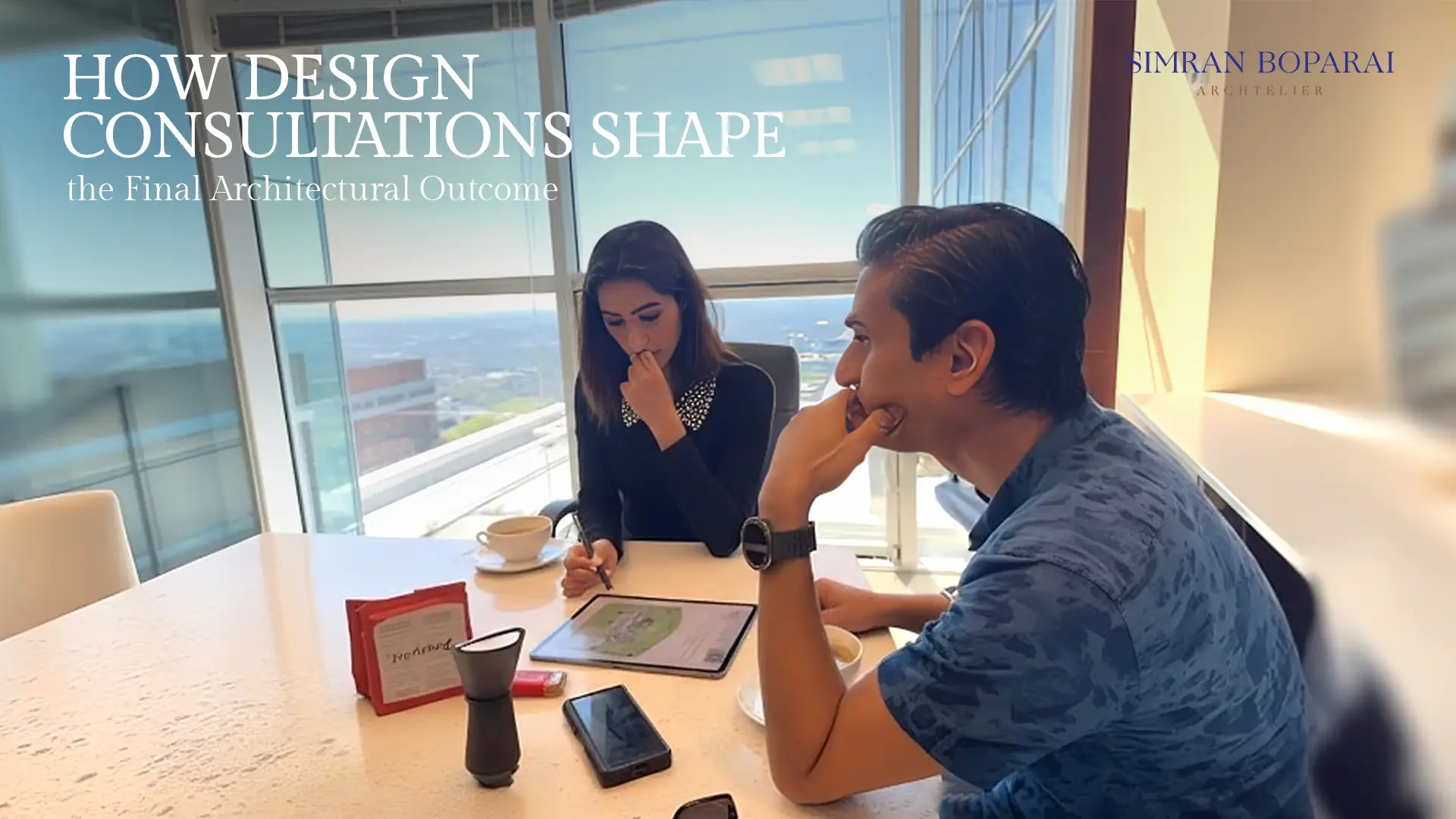
Design consultations are not meetings to exchange preferences; they are structured conversations that define direction. During these sessions, architects begin translating ideas, emotions, and functional needs into spatial concepts. Without this foundation, design decisions become reactive instead of purposeful.
At this stage, Architectural Planning begins to take shape. Architects learn how clients live, what they value, and how they envision their future spaces. These insights guide early decisions about layout, orientation, and spatial hierarchy. When consultations are handled with care, architecture becomes a response to real life rather than a generic solution.
Understanding the Client Beyond the Brief
A design brief often captures surface-level requirements—number of rooms, square footage, and budget range. What it rarely captures are habits, routines, and emotional preferences. Design consultations fill this gap by allowing architects to listen beyond the brief.
Through conversation, architects understand how spaces should feel at different times of the day, how privacy should be balanced with openness, and how flexibility may be needed over time. This approach reflects Client-Centered Design, where architecture evolves from lived experience rather than static documentation.
Early Collaboration Prevents Future Design Conflicts
Many architectural conflicts emerge when expectations are misaligned. Clients may envision one outcome while architects interpret another. Early collaboration helps bridge this gap before it becomes costly.
Clear communication during consultations reduces the need for later revisions. When architects understand priorities early, they can design confidently within realistic parameters. This proactive clarity saves time, protects budgets, and maintains creative momentum throughout the project lifecycle.
Translating Lifestyle Into Spatial Logic
Architecture must support daily routines seamlessly. Design consultations allow architects to understand how clients move through their space, interact with family members, and use different areas throughout the day.
These insights shape Spatial Planning, influencing circulation patterns, room relationships, and transitions. A well-consulted design feels intuitive because it mirrors the client’s lifestyle naturally rather than forcing adaptation.
Emotional Intelligence in Architectural Design
Great architecture resonates emotionally. This resonance doesn’t happen by chance; it emerges through empathy. Design consultations provide architects with emotional context—what clients find calming, inspiring, or energizing.
By understanding emotional responses, architects can create environments that support well-being. This sensitivity elevates Luxury Residential Design, where comfort and atmosphere matter as much as visual appeal.
Material Choices Guided by Dialogue
Materials influence how a space feels as much as how it looks. During consultations, architects learn what textures, finishes, and palettes resonate with clients on a personal level.
These conversations guide Material Selection, ensuring choices align with lifestyle, maintenance expectations, and long-term durability. Thoughtful material decisions contribute to homes that age gracefully rather than date quickly.
Light, Privacy, and Daily Comfort
Natural light and privacy are deeply personal considerations. Some clients seek openness and connection, while others value retreat and quiet. Design consultations help architects understand these preferences clearly.
This understanding informs Environmental Design, guiding window placement, shading strategies, and spatial orientation. Architecture designed this way supports comfort without compromise.
Design Consultations and Budget Transparency
Budget conversations are often uncomfortable but essential. Early consultations allow architects and clients to discuss priorities openly, aligning aspirations with feasibility.
This transparency enables architects to propose solutions that balance quality and cost. Clear communication at this stage prevents disappointment later and reinforces trust throughout the project.
Reducing Design Risks Through Early Alignment
When design intent is unclear, risk increases. Misunderstandings lead to redesigns, delays, and dissatisfaction. Early consultations minimize these risks by establishing a shared vision.
This alignment strengthens Professional Architectural Practice, ensuring all stakeholders move forward with confidence and clarity.
Why Mass-Market Design Processes Fall Short
Standardized design processes prioritize efficiency over individuality. While effective for volume projects, they often lack depth. Clients become one of many, and personal nuances are lost.
In contrast, consultation-driven architecture values quality over speed. It allows architects to tailor solutions precisely, resulting in Architectural Personalization that mass-market firms struggle to achieve.
Long-Term Satisfaction Rooted in Early Decisions
Homes designed through thoughtful collaboration tend to remain satisfying over time. Because decisions are rooted in real needs, spaces adapt more easily to change.
This longevity reflects the strength of High-End Architecture, where success is measured by enduring comfort rather than short-term trends.
The Quiet Confidence of Well-Consulted Design
Architecture shaped through dialogue feels calm and confident. It doesn’t rely on excessive features to impress. Instead, its quality is experienced through flow, proportion, and atmosphere.
This restraint is a hallmark of Modern Architecture, where simplicity and intention replace excess and ornamentation.
Collaboration as a Creative Advantage
Collaboration does not dilute creativity; it sharpens it. When architects and clients work together early, design becomes richer and more nuanced.
Practices like Design Legends demonstrate that when consultation is treated as a creative process, architecture gains depth and authenticity.
Architecture That Reflects Real Life
Ultimately, architecture should reflect the people who inhabit it. Design consultations ensure that buildings are not just visually appealing but emotionally aligned with their users.
This human-focused approach reinforces Place-Based Design, creating spaces that feel relevant, comfortable, and meaningful.
Conclusion :
Design consultations are not optional extras; they are the backbone of successful architecture. They transform assumptions into understanding and ideas into intentional design.
By investing time in early collaboration, clients and architects create a shared vision that guides every decision. The result is architecture that feels coherent, personal, and enduring—proof that great design always begins with meaningful conversation.
FAQs :
Why are design consultations important in architecture?
They help align expectations, clarify priorities, and guide design decisions early in the process.
How do consultations affect the final design outcome?
They shape layout, materials, light, and spatial flow based on real lifestyle needs.
Can early consultations reduce project delays?
Yes, clear direction early minimizes revisions and improves execution efficiency.
Do consultations influence budget control?
Open discussions help align design ambition with realistic financial planning.
Who benefits most from consultation-driven design?
Clients seeking personalized, long-lasting architecture that reflects how they truly live.