Introduction
A modern home is much more than a place to live. It is a reflection of personal taste, lifestyle, comfort, aspirations and individuality. As residential architecture continues to evolve, homeowners are increasingly looking for interiors that combine elegance, functionality, technology and timeless beauty. In 2026, luxury home design is moving beyond expensive furniture and decorative finishes. It is becoming more focused on creating meaningful spaces that improve everyday living while expressing the personality of the people who occupy them.
This is where professional interior design services play an important role. A thoughtfully planned interior can completely transform an ordinary residential space into a sophisticated, comfortable and visually balanced home. From selecting premium materials and designing customised furniture to improving spatial layouts and integrating smart technology, professional interior design brings together multiple elements to create a unified living experience.
Luxury interior design is not simply about making a home look expensive. It is about understanding how people use their spaces, identifying their requirements and translating their vision into a carefully planned environment. Every room, surface, lighting arrangement and furniture selection contributes to the overall character of the home.
In 2026, homeowners are also becoming more interested in personalised interiors, sustainable materials, wellness-focused environments, natural textures and intelligent home technology. These developments are changing the way residential spaces are planned and experienced. With the right design approach, modern homes can achieve a balance between architectural beauty, practical functionality and long-term comfort.
Understanding the Importance of Interior Design Services in Modern Homes
Professional interior design involves much more than choosing colours, furniture and decorative accessories. It requires a detailed understanding of spatial planning, architectural proportions, lighting, materials, circulation and the relationship between different areas of a home.
A professionally designed interior begins with understanding the homeowner’s lifestyle. A family with children may require practical storage, durable materials and flexible living spaces, while a homeowner who frequently entertains guests may prioritise an impressive living room, an elegant dining area and comfortable social spaces. Every household has different expectations, and the interior should respond to those requirements.
Professional Interior Design Services bring these different considerations together through a structured design process. Designers evaluate the available space, understand functional requirements and develop a visual direction that connects every room. This approach prevents individual spaces from looking disconnected and creates a consistent design language throughout the property.
Another important advantage is better space utilisation. Even large homes can feel uncomfortable when furniture placement, circulation and room proportions are not properly considered. Professional planning ensures that each area has a clear purpose without making the interiors feel overcrowded.
The result is a home that looks sophisticated while remaining practical for everyday use.
How Luxury Interior Design Services Transform Everyday Living
Creating Personalised Spaces That Reflect Individuality
Personalisation is one of the most important aspects of luxury interior design in 2026. Homeowners are moving away from interiors that look identical to showroom displays and choosing spaces that communicate their personal preferences, interests and experiences.
A personalised interior may include custom-designed furniture, carefully selected artwork, distinctive lighting fixtures, handcrafted accessories and meaningful decorative elements. These details help establish an identity that cannot be achieved through standard furniture packages alone.
For example, a living room can be designed around a homeowner’s preference for contemporary elegance, with sculptural furniture, natural stone surfaces and carefully layered lighting. Similarly, a bedroom can become a private retreat through comfortable upholstery, warm colours, elegant wardrobes and a thoughtfully designed lighting arrangement.
Professional designers understand how to combine personal preferences with architectural character. Rather than introducing unrelated decorative elements, they create a balanced environment where every selection contributes to the overall appearance.
Improving Space Planning and Functionality
Beautiful interiors must also work efficiently. Space planning determines how people move through a home, how furniture is arranged and how different activities take place within each room.
In modern residences, the importance of functional layouts has increased because homeowners often need their spaces to support multiple activities. Living rooms may also serve as entertainment areas, dining spaces may accommodate family gatherings, and bedrooms may include dedicated work or reading corners.
Professional designers study room dimensions, natural movement patterns and furniture requirements before finalising the layout. This helps prevent unnecessary obstructions and ensures that available space is used effectively.
Open-plan living is another popular approach in contemporary residential design. By connecting living, dining and kitchen areas, designers can create a more spacious atmosphere and improve interaction between family members. However, successful open-plan design requires careful consideration of lighting, furniture placement, visual boundaries and material continuity.
The objective is to create interiors that feel open, organised and comfortable without sacrificing privacy or functionality.
Introducing Luxury Through Premium Materials and Finishes
Materials have a significant influence on how a home looks and feels. Luxury interiors often combine different textures and finishes to create depth, warmth and visual interest.
Natural marble, granite, premium wood, textured stone, glass, brushed metal and high-quality fabrics can all contribute to an elegant residential environment. However, choosing expensive materials does not automatically guarantee a sophisticated result. Their colour, texture, scale and relationship with other finishes must be carefully considered.
In 2026, there is increasing interest in materials that offer authenticity, durability and tactile appeal. Instead of relying entirely on glossy surfaces, designers are exploring natural textures, warm wood finishes, handcrafted details and distinctive stone patterns.
For example, a marble feature wall can create an impressive focal point in a living area, while wooden wall panelling can introduce warmth and visual balance. Soft upholstery and textured rugs can further improve the comfort of the space.
The most successful luxury interiors use materials thoughtfully rather than introducing too many competing finishes.
Major Luxury Interior Design Trends Transforming Homes in 2026
Warm Minimalism and Sophisticated Colour Palettes
Minimalism continues to influence modern interiors, but its expression is becoming warmer and more welcoming. In 2026, homeowners are increasingly interested in spaces that maintain clean architectural lines while incorporating rich textures, comfortable furnishings and carefully selected colours.
Warm beige, ivory, taupe, muted brown, earthy green and soft terracotta can create a welcoming foundation for luxury interiors. These shades work particularly well with natural stone, wooden finishes and subtle metallic accents.
However, modern luxury does not mean that every room must follow a neutral colour scheme. Deep green, burgundy, navy and other expressive shades can introduce personality when used thoughtfully.
Professional Interior Design Services help establish the right colour balance by considering natural light, room proportions, materials and the atmosphere each space should create.
Biophilic Design and Natural Connections
Bringing nature into residential interiors is becoming an important part of contemporary luxury living. Biophilic design focuses on strengthening the relationship between indoor environments and the natural world.
This approach can include indoor plants, natural materials, garden-facing windows, courtyard connections, daylight-focused planning and outdoor seating areas. Natural stone, timber, linen and other organic textures can further strengthen this connection.
For modern homes, biophilic design is not limited to adding decorative plants. It involves creating an environment where natural light, ventilation, views and materials work together.
A living room with large windows overlooking greenery can feel more open and relaxing. A bedroom with natural wood finishes and soft daylight can create a peaceful atmosphere. Similarly, a courtyard can introduce light and greenery into the centre of a residence.
These design choices help create a home that feels connected to its surroundings while maintaining an elegant appearance.
Smart Home Integration and Intelligent Living
Technology is becoming an essential part of modern luxury residences. Homeowners increasingly expect convenience, security and control to be integrated into their living environments.
Smart lighting, automated curtains, climate control, intelligent security systems and integrated entertainment solutions can make everyday activities easier. These systems can also support energy management and improve the overall functionality of a home.
However, successful smart home design requires more than installing connected devices. Technology should be incorporated into the interior planning process so that controls, wiring, speakers and equipment do not disturb the visual character of the space.
For example, automated lighting can create different settings for entertaining, relaxing or working. Smart curtains can respond to daylight conditions, while integrated climate systems can help maintain comfortable indoor temperatures.
The best luxury interiors allow technology to operate efficiently without becoming the dominant visual feature.
Wellness-Focused Residential Interiors
In 2026, luxury is increasingly associated with physical comfort, emotional well-being and healthier everyday environments.
A wellness-focused home considers how lighting, ventilation, acoustics, materials and spatial arrangements affect the people living inside it. Natural daylight, comfortable temperatures, quiet bedrooms and relaxing private areas can all contribute to a better residential experience.
Homeowners are also showing greater interest in dedicated wellness spaces, including meditation corners, home gyms, spa-inspired bathrooms and peaceful reading areas.
A bathroom, for instance, can be transformed into a private retreat through natural stone, soft lighting, spacious showers, elegant fittings and carefully selected finishes. A bedroom can support relaxation through acoustic comfort, comfortable furniture and a calming colour palette.
These details demonstrate that luxury is not only about appearance. It is also about creating an environment that supports a better quality of life.
Transforming Important Areas of a Modern Luxury Home
Living Rooms That Combine Elegance and Comfort
The living room is often the central social space of a home. It is where family members spend time together, welcome guests and enjoy everyday activities. Therefore, its design should communicate the character of the entire residence.
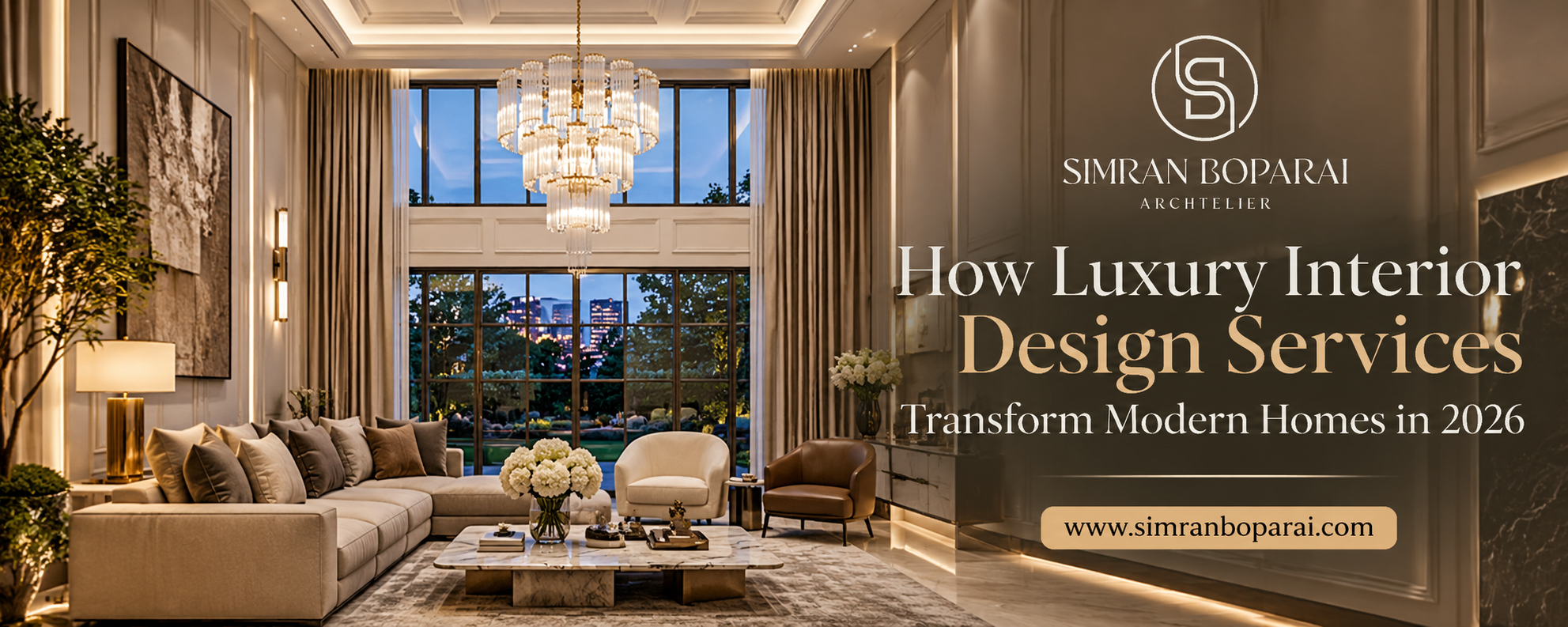
Luxury living rooms often feature carefully selected seating, statement lighting, sophisticated wall treatments, premium flooring and distinctive decorative elements. However, the arrangement should always prioritise comfort and conversation.
A well-designed living room may combine a sculptural sofa, a natural stone coffee table, elegant side tables and layered lighting. Artwork or an architectural feature wall can provide a focal point without overwhelming the space.
The relationship between furniture and circulation is equally important. Sufficient movement space, balanced proportions and suitable seating arrangements make the room more welcoming.
Luxury Bedrooms Designed for Relaxation
A bedroom should provide a sense of privacy, comfort and tranquillity. Unlike public areas of the home, its design should focus primarily on personal relaxation.
Professional designers consider the placement of the bed, wardrobe configuration, bedside lighting, window treatments and storage requirements. Every element should contribute to a calm and organised environment.
Soft fabrics, upholstered headboards, warm wood, subtle wall textures and layered lighting can create a sophisticated atmosphere. Walk-in wardrobes and customised storage solutions can further improve functionality.
Luxury bedroom design is most successful when visual elegance is balanced with practical comfort.
Modern Kitchens With Intelligent Design
The kitchen has become an important part of contemporary residential interiors. It is no longer viewed simply as a functional cooking area but as a space that supports family interaction and everyday activities.
Modern luxury kitchens often combine streamlined cabinetry, premium countertops, integrated appliances, practical storage and carefully planned lighting.
Kitchen islands can provide additional preparation space while also creating an informal gathering area. Handleless cabinetry and integrated storage can maintain a clean visual appearance, while natural stone and wooden accents introduce warmth.
The choice of materials should also consider durability, cleaning requirements and regular use. A beautifully designed kitchen must remain convenient and efficient over time.
Bathrooms That Feel Like Private Luxury Retreats
Luxury bathrooms are increasingly designed to provide an experience similar to a private spa. Spacious showers, elegant vanity units, premium fittings, natural stone and carefully controlled lighting can transform an ordinary bathroom into a relaxing environment.
The layout should provide sufficient movement space and practical access to essential fixtures. Storage must also be integrated carefully to prevent the room from appearing cluttered.
Large mirrors, textured surfaces, warm lighting and refined hardware can enhance the overall appearance. Where space permits, a freestanding bathtub or a dedicated dressing area can introduce another level of comfort.
The Role of Lighting in Luxury Interior Design
Lighting is one of the most powerful elements in transforming a residential interior. It influences the appearance of materials, creates atmosphere and determines how comfortable a room feels throughout the day.
Professional lighting design generally combines three important layers: ambient lighting, task lighting and accent lighting.
Ambient lighting provides general illumination, while task lighting supports specific activities such as reading, cooking and working. Accent lighting highlights artwork, architectural details, textured walls and decorative features.
In luxury homes, lighting fixtures also contribute to the visual identity of a space. Chandeliers, pendant lights, concealed LED systems and sculptural wall fixtures can become important design features.
Natural light should receive equal attention. Window placement, curtains, reflective surfaces and the orientation of rooms can influence how daylight enters the home.
A carefully planned lighting strategy allows interiors to transition comfortably from bright daytime environments to warm and intimate evening settings.
Sustainable Luxury and Responsible Material Selection
Sustainability is becoming an important consideration in modern residential design. Luxury homeowners are increasingly recognising that an elegant home should also be durable, efficient and environmentally responsible.
This shift is encouraging the use of responsibly sourced timber, low-emission paints, durable natural materials, energy-efficient lighting and products with longer lifespans.
Designers can also improve sustainability through intelligent planning. Better daylight utilisation, appropriate ventilation, durable furniture and efficient space layouts can reduce unnecessary energy consumption and future renovation requirements.
In Indian homes, climate-responsive decisions are particularly valuable. Material selection should consider local temperatures, humidity, maintenance requirements and the availability of suitable materials.
For example, appropriate shading, ventilation strategies and thoughtfully selected finishes can improve indoor comfort. Locally crafted furniture and traditional materials can also introduce cultural character while supporting skilled craftsmanship.
Sustainable luxury is not about compromising on visual quality. It is about making thoughtful decisions that improve the performance and longevity of a home.
Why Professional Interior Design Services Are a Valuable Investment
Creating a luxury home involves numerous decisions, and managing every detail without professional guidance can become challenging. From initial concepts and material selection to furniture specifications and execution, different elements must work together.
Professional Interior Design Services help homeowners approach this process with a clear direction. Designers coordinate layouts, finishes, lighting, furniture and decorative details to achieve a cohesive result.
One of the major advantages is avoiding costly design mistakes. Selecting unsuitable materials, purchasing incorrectly sized furniture or making layout decisions without considering circulation can create unnecessary expenses. Professional planning helps identify these issues before implementation.
Designers can also help homeowners make informed choices according to their priorities and available budgets. Instead of spending equally on every element, resources can be directed towards the features that contribute most to the overall experience.
Another important benefit is consistency. When multiple rooms are designed independently, the home may lack visual harmony. A coordinated design approach ensures that materials, colours, architectural details and furniture selections complement one another.
Ultimately, professional design is an investment in the quality, usability and long-term appeal of a residence.
The Interior Design Process: From Concept to Completion
A successful residential interior project begins with a clear understanding of the homeowner’s expectations. The first stage generally involves discussing lifestyle requirements, preferred aesthetics, functional needs and budget considerations.
The next stage focuses on space assessment and concept development. Designers study room dimensions, architectural features, natural lighting and circulation patterns before developing an appropriate design direction.
Material and finish selection follows. Flooring, wall treatments, furniture materials, fabrics, lighting fixtures and hardware are selected to establish a consistent visual identity.
Detailed planning is equally important. Furniture layouts, storage solutions, lighting positions and relevant technical requirements need to be coordinated before execution begins.
During implementation, proper coordination between contractors, suppliers, craftsmen and other professionals helps maintain design quality. Regular inspections and attention to finishing details are essential for achieving the intended result.
The final stage involves styling and placing furniture, artwork, accessories and decorative elements. These finishing touches bring the overall concept together and make the residence feel complete.
How to Choose the Right Interior Design Approach for Your Home
Every home has different requirements, and the right design approach depends on its architecture, location, available space and the lifestyle of its occupants.
Before beginning a project, homeowners should identify the atmosphere they want to create. Some may prefer contemporary interiors with clean lines and understated finishes, while others may be attracted to neoclassical detailing, luxurious textures or a more expressive design language.
It is also important to consider functionality. Storage requirements, family activities, entertaining habits, privacy and future lifestyle changes should influence design decisions.
Material quality should be evaluated alongside appearance. Finishes that look impressive in photographs may not always be suitable for everyday use. Durability, maintenance and comfort should remain important considerations.
Homeowners should also look for a design approach that connects the interiors with the architecture of the residence. When both elements are considered together, the result feels more balanced and thoughtfully developed.
The goal should always be to create a home that reflects individual preferences rather than simply reproducing a popular trend.
The Future of Luxury Residential Interiors Beyond 2026
The future of luxury residential interiors will continue to be shaped by personalisation, intelligent technology, sustainability and wellness-focused planning.
Homes are becoming more adaptable as families seek spaces that can support different activities and changing requirements. Flexible furniture, multifunctional rooms and integrated storage will continue to influence residential planning.
Technology will also become more discreet and integrated. Rather than dominating the visual environment, smart systems will increasingly work in the background to support comfort, security and efficiency.
Material authenticity and craftsmanship are also likely to remain important. Homeowners are showing greater appreciation for natural finishes, customised furniture, meaningful artwork and details that give interiors a distinct identity.
The most successful homes will not necessarily be those that follow every emerging trend. They will be the ones that combine architectural quality, thoughtful functionality and personal expression.
Professional design will remain essential in bringing these different priorities together.
Conclusion
Luxury living in 2026 is defined by much more than impressive furniture, expensive finishes and decorative statements. It is about creating homes that offer comfort, functionality, individuality and lasting visual appeal. Every design decision, from spatial planning and lighting to material selection and smart technology, contributes to the overall residential experience.
Professional Interior Design Services make this transformation possible by connecting the homeowner’s vision with practical design solutions. They help create harmonious interiors where beauty and everyday functionality work together.
Whether it is a spacious luxury villa, a contemporary apartment or an elegant family residence, a carefully planned interior can improve how the entire home is experienced. The right combination of craftsmanship, architectural understanding, personalised details and modern technology can transform ordinary spaces into extraordinary living environments.
At Simran Boparai Archtelier, thoughtful design is about creating spaces that express individuality while maintaining elegance, functionality and architectural harmony. A truly luxurious home should not only make a lasting impression on visitors but should also make everyday life more comfortable and meaningful for the people who call it home.
In the end, the real value of luxury interior design lies in creating a home that feels beautiful, works effortlessly and remains timeless for years to come.