

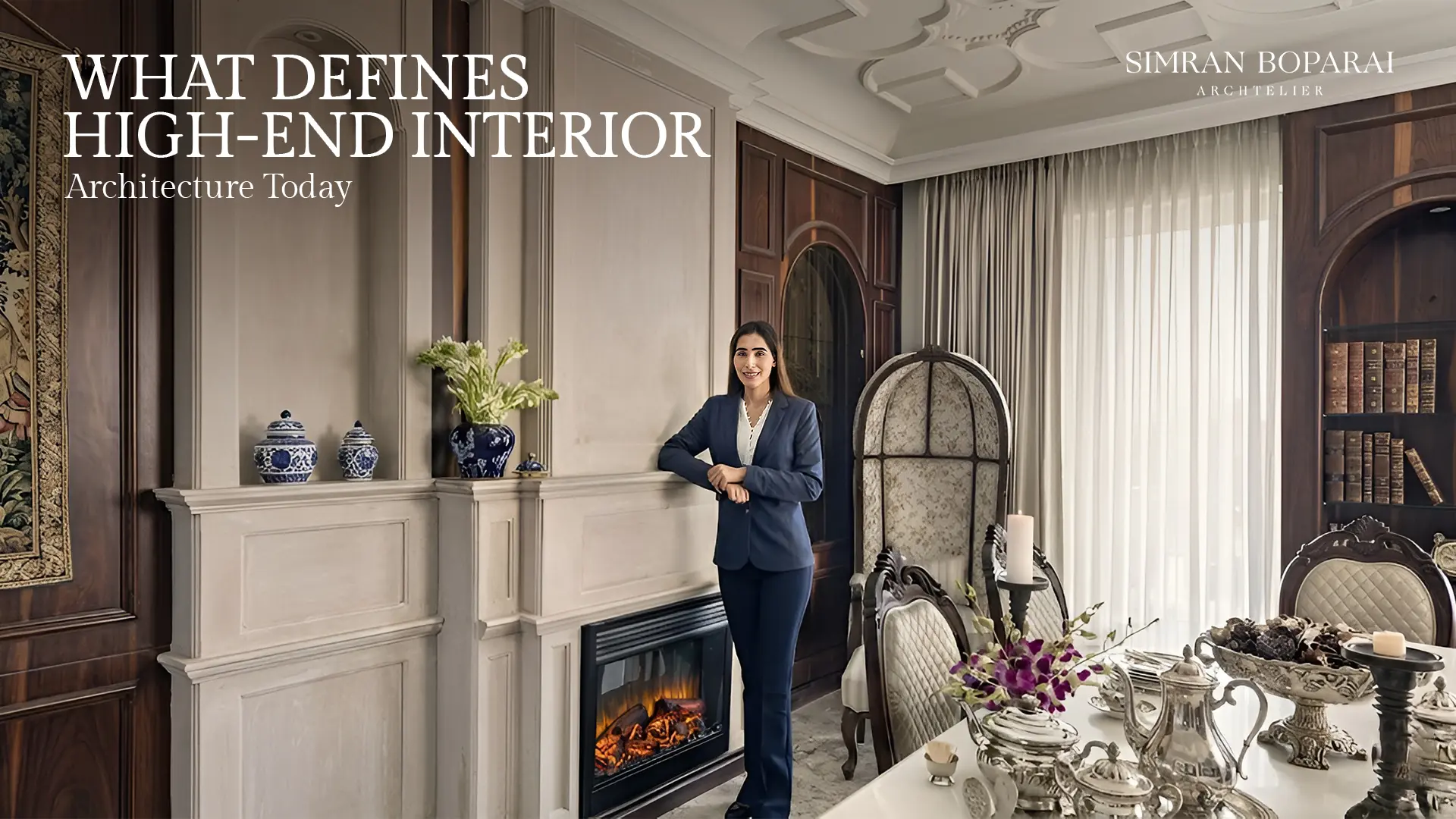
Introduction
Today’s homeowners are no longer satisfied with spaces that simply look beautiful. With access to global design inspiration, social media trends, and modern lifestyle expectations, people want homes that feel refined, functional, and deeply personal. However, despite investing heavily in premium materials and luxury furniture, many interiors still fail to achieve that “high-end” feel. They may look expensive, but they lack cohesion, depth, and identity.
This gap often arises from misunderstanding what truly defines high-end interior architecture. It is not just about marble finishes, designer furniture, or grand spaces. Without a well-thought-out architectural approach, interiors can feel disconnected, impractical, or overly styled without purpose. This leads to spaces that look impressive initially but fail to deliver long-term comfort and functionality.
The reality is that high-end interior architecture today is about more than luxury—it is about precision, planning, and intentional design. It combines aesthetics with usability, integrates architecture with interiors, and focuses on creating meaningful living experiences. Understanding these defining factors helps homeowners and designers move beyond surface-level luxury toward truly refined spaces shaped by high end interior architecture design principles.
The Evolution of High-End Interior Architecture
Interior architecture has evolved significantly over the years. Earlier, luxury was often associated with opulence—heavy detailing, ornate finishes, and extravagant materials. Today, the definition has shifted toward clarity, balance, and purpose.
Modern high-end spaces embrace modern luxury interiors that prioritize clean lines, open layouts, and functional elegance. Instead of overwhelming spaces with decorative elements, designers focus on thoughtful composition and refined detailing.
In several contemporary residential projects associated with Simran Boparai, this evolution is reflected through a balance of minimalism and sophistication, where design is driven by lifestyle rather than excess.
Integration of Architecture and Interiors
One of the most important aspects defining high-end interiors today is the seamless integration between architecture and interior design. These two elements are no longer treated separately.
Through architecture interior integration, designers ensure that spatial planning, structural elements, and interior finishes work together cohesively. Ceiling heights, wall treatments, and lighting layouts are planned in harmony with the architecture.
This integrated approach creates spaces that feel unified rather than fragmented.
Functionality as a Core Design Principle
Luxury is no longer just about appearance—it is about how a space functions. High-end interiors prioritize usability and comfort alongside aesthetics.
Through functional luxury interior design, designers create spaces that support daily routines while maintaining elegance. Kitchens are designed for efficiency, living areas encourage interaction, and private spaces offer comfort and privacy.
This focus on functionality ensures that luxury is experienced in everyday living.
Personalization and Identity in Design
Modern homeowners seek spaces that reflect their individuality. High-end interior architecture is defined by its ability to create personalized environments.
Through personalized interior architecture, designers tailor layouts, materials, and design elements to match the client’s lifestyle and preferences. No two luxury homes should feel identical.
In projects subtly associated with Simran Boparai, personalization is often expressed through unique spatial planning and carefully curated material palettes.
Minimalism with Depth and Detail
Minimalism has become a defining characteristic of contemporary high-end interiors. However, it is not about emptiness—it is about clarity and intention.
Through minimal luxury interior design, designers focus on fewer elements but execute them with precision. High-quality materials, refined finishes, and subtle detailing create depth within simplicity.
This approach ensures that spaces feel elegant without appearing cluttered.
Material Selection and Sensory Experience
Materials play a critical role in defining high-end interiors. Today’s luxury spaces emphasize quality, texture, and sensory experience over mere visual appeal.
Through premium interior material selection, designers use natural stone, wood, metal, and fabrics to create rich and layered environments. The tactile quality of materials enhances the overall experience of the space.
Material choices are carefully curated to ensure durability, sustainability, and aesthetic harmony.
Lighting as an Architectural Element
Lighting is no longer treated as a secondary feature. In high-end interior architecture, it is an integral part of the design.
Through architectural lighting design, lighting is used to highlight structural elements, create ambiance, and enhance spatial perception. Layered lighting strategies combine ambient, task, and accent lighting.
Proper lighting transforms the atmosphere of a space and adds depth to the design.
Spatial Planning and Flow
The way spaces connect and flow within a home is a defining aspect of high-end design. Poor spatial planning can disrupt even the most visually appealing interiors.
Through luxury space planning, designers create layouts that allow smooth movement and logical zoning. Public and private areas are clearly defined while maintaining visual continuity.
This ensures that the home feels intuitive and comfortable to navigate.
Technology Integration in Modern Interiors
Technology has become an essential part of modern living. High-end interior architecture incorporates smart systems seamlessly into the design.
Through smart home interior integration, features such as automated lighting, climate control, and security systems enhance convenience and efficiency.
These technologies are integrated discreetly, ensuring that they do not disrupt the visual aesthetics of the space.
Sustainability in Luxury Design
Sustainability is increasingly influencing high-end interior architecture. Modern luxury is defined by responsibility as much as by aesthetics.
Through sustainable luxury interiors, designers focus on energy efficiency, eco-friendly materials, and long-term durability. This approach reduces environmental impact while maintaining high design standards.
Sustainable design ensures that luxury spaces remain relevant in a changing world.
Attention to Detail and Craftsmanship
High-end interiors are distinguished by their attention to detail. Every element, no matter how small, is carefully considered.
Through interior detailing in luxury homes, designers refine edges, joints, finishes, and transitions. This level of precision enhances the overall quality of the space.
Craftsmanship ensures that the design is not only visually appealing but also structurally sound and durable.
Creating Emotional and Experiential Spaces
Luxury interiors today aim to evoke emotions and create experiences rather than simply impress visually.
Through experiential interior design, spaces are designed to influence mood and well-being. Natural light, textures, and spatial openness contribute to a sense of comfort and relaxation.
This emotional connection is what makes high-end interiors truly memorable.
Timeless Design Over Trends
Trends come and go, but high-end interiors are defined by timelessness. Designers focus on creating spaces that remain relevant over time.
Through timeless luxury interior design, emphasis is placed on proportion, material quality, and balanced aesthetics. This approach ensures that the design does not feel outdated.
Timeless interiors retain their elegance and value for years.
The Role of Professional Expertise
Creating high-end interior architecture requires expertise and experience. Professional designers bring a deep understanding of design principles and technical knowledge.
Through professional interior architecture services, clients receive guidance that ensures every aspect of the project is carefully planned and executed.
Design studios such as Simran Boparai highlight the importance of this expertise in delivering refined and cohesive interiors.
The Balance Between Simplicity and Sophistication
One of the defining features of modern luxury interiors is the balance between simplicity and sophistication. Spaces are designed to feel effortless yet refined.
Through refined interior architecture concepts, designers achieve elegance without unnecessary complexity. Clean lines, subtle textures, and thoughtful detailing create a harmonious environment.
This balance is essential in defining contemporary high-end design.
Conclusion
High-end interior architecture today is defined by more than just luxury materials and visual appeal. It is about thoughtful planning, seamless integration, and a deep understanding of how people live within spaces.
From personalized layouts and sustainable materials to advanced technology and refined detailing, every element contributes to creating interiors that are both functional and meaningful. This approach ensures that luxury is experienced not just visually, but in everyday living.
By focusing on quality, precision, and timeless design, high-end interior architecture continues to evolve, offering spaces that are elegant, comfortable, and uniquely personal.
FAQ
- What defines high-end interior architecture today?
High-end interior architecture is defined by a combination of functionality, personalization, material quality, and seamless integration of design elements. - Is luxury interior design only about expensive materials?
No, true luxury focuses on thoughtful design, spatial planning, and user experience rather than just costly materials. - How important is personalization in modern interiors?
Personalization is essential as it ensures that the space reflects the lifestyle and preferences of the homeowner. - What role does technology play in high-end interiors?
Technology enhances convenience and efficiency through smart home systems while being integrated seamlessly into the design. - Why is timeless design important in luxury interiors?
Timeless design ensures that interiors remain elegant and relevant over time, avoiding the need for frequent redesigns.