
Introduction
The architectural design services of your project create homes which achieve optimal aesthetic appeal while providing essential practical benefits and building sustainable future solutions. A residence is more than walls, rooms, elevations, and materials. The place functions as a home where families share their lives while hosting guests and raising their children and finding peace and building memories that will last forever. The design process achieves its best results when designers maintain both structured work methods and technical knowledge because this approach enables them to develop buildings which appear simple to use.
The results of every choice in high-end residential projects make each decision essential. The home design process depends on six main elements which include entrance placement, room proportions, public and private area movement, daylight access, outdoor space relationships, and service integration methods. A strong architectural process needs more than aesthetic value because it requires designers to make correct choices at project start which enable work to continue without interruptions.
Homeowners who want to build their own villa or estate home or luxury residence or large private property should choose an architectural team which will help them navigate their complex building process. Simran Boparai Architecture creates spaces which design and planning and comfort and lifestyle function together in purposeful existence.
Understanding the Role of Architecture in a Modern Home
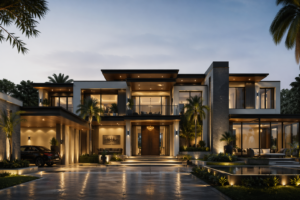
The people who will inhabit a home must be understood to create its optimal design first. The architect needs to comprehend how people live their lives when they design their home because they need to know their space requirements which include their personal space needs and their ability to welcome guests and their future plans to use the space. The design process begins with initial understanding which develops into a framework that supports all subsequent design work.
The modern home needs to fulfill multiple functions because its design requirements demand this capability. The space needs to have two opposing qualities because it requires people to stay hidden while they need to enjoy their surroundings and they need to show their individuality through their personal belongings. The design must accommodate all daily activities which include family time and visitor movement and health activities and entertainment and staff movement and vehicle parking and storage and maintenance access without creating a complex atmosphere. This is where architectural thinking becomes essential.
architectural design services help translate these varied expectations into a practical and refined spatial plan. The home should function as a unified experience which connects all its individual rooms according to a thoughtful design process. The completed design enables people to move through the house effortlessly because the spaces maintain proper dimensions and each room serves its designated function.
Why Planning Comes Before Styling
Homeowners tend to start their projects by using visual guides. They store pictures of building facades and interior design elements which include living rooms and courtyards and staircases and bedrooms and luxury finishes. The references assist users but they need to develop proper planning. A beautiful image only works when it fits the site, climate, scale, budget, structure, and lifestyle of the family.
The actual success of a home depends entirely on its planning process. The planning process determines all aspects of home design by establishing how the building will be positioned on the land and how visitors will access the space and which areas will serve as main living spots and which sections will receive natural light and which sections will provide privacy and which spaces will function as service areas without interrupting primary activities. The development stage requires proper design because the building needs actual solutions to resolve design issues which need resolution through material selection.
The design procedure establishes its foundation through site investigation. The planning process requires assessment of all site requirements which include plot orientation and road access and surrounding context and natural light and wind direction and views and privacy and terrain requirements. The decisions gained increased strength because larger homes required more attention, which created potential issues when size became unmanageable through insufficient management.
Creating a Strong Sense of Arrival
The arrival experience is one of the most important parts of a luxury residence. The entrance of the home establishes its first impression for guests approaching the house. The driveway together with the entrance gate and drop-off area and landscape and porch and lobby and first visual frame all create a unified system which produces an impression of organized presence.
The arrival at a location needs to create a strong impression through its design elements. The entry feels designed with purpose. The movement from outside to inside should create a natural transition which matches the size of the home. The private residence needs to provide protection and personal space while maintaining a comfortable atmosphere.
The arrival sequence at estate-scale homes needs to include multiple components which enable vehicles to enter and visitors to be dropped off and families to move and staff to enter and parking to operate and services to flow. The home will show impressive design elements but experience operational problems when proper planning procedures are not followed. The design of architectural projects needs to start with architectural design services because they provide essential support throughout all project phases.
Balancing Public, Private, and Service Areas
Every residence has different layers of privacy. The public zones of the property include its formal living room and drawing room and dining area and guest lounges and entertainment spaces and outdoor hosting areas. The private zones of the property include its bedrooms and family lounges and study areas and wellness spaces and personal terraces. The service zones of the building consist of its kitchens and staff areas and storage and utility rooms and mechanical rooms and back-of-house circulation spaces.
The project requires all of its spaces to be brought into the building. The project needs proper methods to achieve its goal of space linkage. Guests should not move through highly private areas. Staff must use pathways that enable them to work without interrupting others. Family spaces should feel relaxed and protected. The service areas of the home need to assist operations without showing their presence to people in the space.
The design approach for large residential projects requires strict enforcement of this zoning discipline. The home requires designated spaces which help users move through the house without feeling lost or vulnerable or inefficient. A well-planned residence allows every user to move comfortably through the property while maintaining hierarchy, privacy, and ease.
Responding to Natural Light and Climate
Architectural design should develop solutions which work with natural environmental conditions. The home design which fails to consider light and heat and ventilation and outdoor spaces presents an unappealing interior experience despite its exterior photographic charm. The design of a house creates various experiences through its room orientations and opening placements and shading systems and outdoor space connections.
The management of natural light requires precise control. The space appears dreary when there is insufficient lighting whereas excessive direct sunlight creates an environment which people find uncomfortably hot. The architect must understand the sun’s daily path and its effect on each room’s layout. The different light requirements for bedrooms and living areas and courtyards and staircases and transitional spaces should be established through separate light management methods.
Comfort levels improve through the use of ventilation systems and shaded outdoor spaces and verandahs and terraces and landscape buffers. These choices create spaces which connect better with nature and decrease the need for artificial systems. The architectural design services create high-end sustainable spaces which provide homeowners with enduring value.
Designing for Scale Without Losing Warmth
The main problem which architects face in designing upscale residential properties stems from establishing appropriate design dimensions for their projects. A residence requires design elements which create warmth to prevent its extensive spaces from becoming isolated and empty. A residence needs to have both large spaces and small areas which create human-sized intimacy and comfort spaces.
The design achieves its necessary balance through its spatial sequence design. The design requires additional elements which create movement between spaces and provide areas for users to rest and see through windows and outdoor spaces and family rooms and designated spaces. The combination of ceiling height and room width and furniture arrangement and lighting design and material selection creates a sense of spatial dimensions which people find easy to navigate.
A luxury home should create an impressive atmosphere which does not make visitors feel afraid to enter. The space needs to provide areas for important events and for normal daily activities. Design maturity establishes the essential base for all design work. The best residences are those where scale feels natural because every proportion has been considered.
Integrating Lifestyle Requirements
Modern houses now include additional spaces that exceed traditional design standards for living rooms, dining rooms, kitchen areas and bedroom spaces. Homeowners need their homes to include office space, gym facilities, entertainment rooms, wellness areas, home theater systems libraries , puja rooms, guest rooms, outdoor spaces, swimming pool areas, staff living spaces, personal activity spaces and multi-car parking areas.
Every function of a building requires its own specific design requirements. A home office needs privacy and acoustic comfort. A gym needs ventilation and flooring considerations. A home theater requires monitoring of its technical components. A puja room needs proportion, orientation, and emotional sensitivity. Parking areas need to provide both safe movement and visible building support.
Architectural design services help bring these requirements into one cohesive plan. The design elements appear disjointed because there is no unifying design concept. The right method will transform these elements into essential parts of the home experience.
The Importance of Facade Design
The front face of a building serves as its public identity. The design of the front face shows how the home relates to its architectural elements and weather conditions and its need for privacy and its overall dimension. A good facade is not just decoration. The design elements create visual effects which emerge through their combination of architectural elements and material selection and their spatial arrangements and the way they cast shadows.
The facade of luxury residential buildings needs to maintain a design which appears eternal. A design based on current trends will become outdated after a brief period. A strong facade has discipline. The design knows which parts need to show strength and which parts need to maintain a quiet appearance. The design connects to the interior layout through its visual elements instead of using them to cover up design mistakes.
Simran Boparai Architecture approaches residential design with an understanding that the outside and inside must speak the same language. The facade of the building should remain connected to the daily activities which occur within the residence. The design should show how the space has been organized and which areas are more important and which elements define the building’s identity.
Material Selection and Long-Term Value
The construction materials used in a home determine its visual appearance, tactile experience, material durability, and operational efficiency. The materials stone, wood, glass, metal, concrete, marble, plaster, paint, and cladding provide distinct visual characteristics and technical properties. The selection of materials based on their visual appeal leads to future maintenance problems.
The appropriate material strategy requires assessment of seven factors which include material durability, material response to climate conditions, material cleaning process, material repair needs, material availability, material costs, installation quality, and design objectives. Exterior facade materials need to withstand all types of weather conditions. The flooring materials used in high-traffic spaces need to provide functional benefits. A high-end finishing product needs to demonstrate both premium visual appeal and consistent performance throughout its entire lifespan.
The architectural process reaches its highest point through effective management when material choices support the complete design process. The process establishes a selection method which produces unified results through its predefined rules.
Coordination Between Architecture and Interiors
Architecture and interior design need to function together because they create one unified experience. The best homes are planned in a way where interior experience is considered from the beginning. Architectural decisions determine all aspects of space design which include furniture arrangement, wall dimensions, window placement, lighting locations, ceiling heights, storage solutions, artwork display areas and movement pathways.
Architects fail to design building projects because they disregard necessary design elements which cause future issues. A wardrobe will cause a window to become hidden. A column will create obstacles for arranging furniture. A ceiling design will create problems because it conflicts with beam placement. The lighting system will fail to create the desired atmosphere. When architects and interior designers work together from the start of a project architectural problems become eliminated.
architectural design services provide value by aligning the larger structure with the interior experience. The result creates an improved project process which delivers an elevated project outcome.
Designing Homes for the Future
The design of a home should not only fulfill present requirements but also provide flexible solutions for upcoming demands which will arise as families expand their household members and their life patterns undergo modifications.
Future-ready planning considers flexibility. The system enables rooms to transform their functions as time progresses. The system provides storage solutions which assist people in long-term residence. The system designs space movement which ensures various age groups can move about with ease. The system assesses essential building components which include electrical networks and automated systems and security measures and climate regulation systems and ways to handle maintenance activities.
A future-ready home is not overloaded with features. The design enables system modifications through upgrades which proceed without affecting any fundamental building components. The approach maintains both lifestyle value and property value through its execution.
Why Professional Guidance Matters
Home design requires emotional investment together with financial resources. The construction process forces builders to make decisions which result in permanent outcomes or high-cost modifications. Professional guidance helps homeowners avoid costly mistakes by bringing structure, technical clarity, and design discipline to the process.
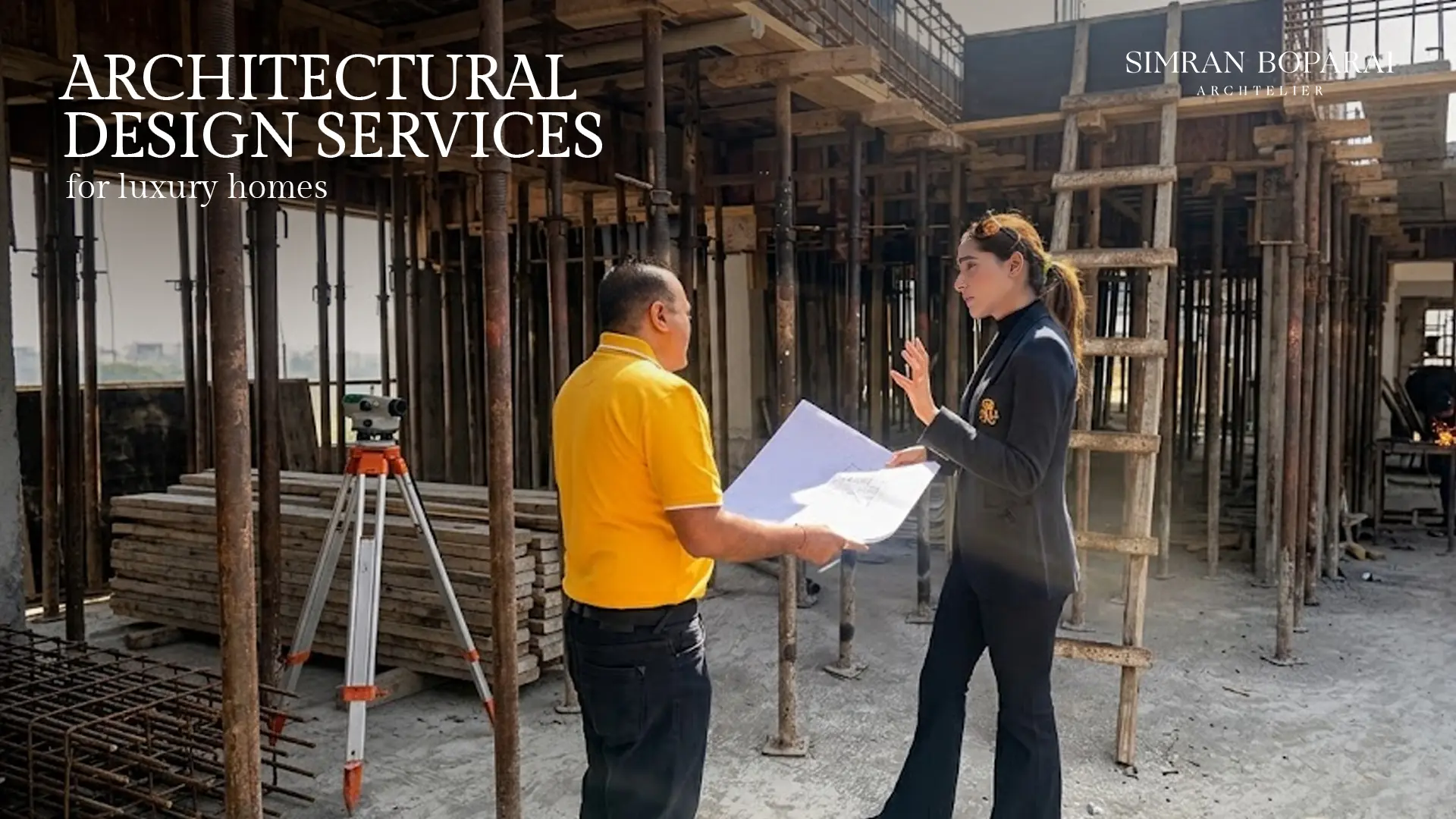
An architect helps ask the right questions before solutions are created. The home design needs to show how it will function with its location. The design must create private spaces which separate different areas from each other. The design must create pathways which will allow visitors to move through the space. The design should use windows and other openings to create adequate natural light. The design needs to find effective ways to conceal building functions. The design needs to establish a distinct visual style for the residence. The design requires all building elements to be determined before work begins.
The architectural design practice delivers more than its basic service to customers. The agency delivers a complete strategic model which helps organizations make their choices.
Conclusion
The design of a home requires deliberate choices which lead to its final appearance. The process requires four essential elements which include dedicated planning work and specialized knowledge and creation of lifestyle maps and development of architectural design aspects. The residential experience depends on every choice which determines site orientation and zoning and facade design and material selection and natural light and privacy and future flexibility.
Architectural design services assist homeowners who want to build high-end houses by providing them with essential information which helps them transform their dreams into tangible results. They create a home which combines aesthetic appeal with functional design and comfortable spaces and enduring usability.
Simran Boparai Architecture employs a planning-driven method to design residential spaces which helps create homes with intentional design elements and balanced proportions and complete knowledge of human living patterns.
FAQ
1. What are architectural design services?
Architectural design services include planning, concept development, layout design, elevation design, spatial organization, site response, and coordination required to shape a building before and during construction.
2. Why are they important for luxury homes?
They are important because luxury homes need more than expensive finishes. They need clear planning, privacy, proportion, circulation, climate response, and long-term functionality.
3. How early should I hire an architect?
You should involve an architect before finalizing the layout or construction direction. Early involvement helps avoid planning mistakes and supports better site utilization.
4. Can architecture improve comfort inside a home?
Yes. Architecture affects natural light, ventilation, room proportions, movement, privacy, and outdoor connection. These directly influence how comfortable the home feels.
5. What makes a residential project successful?
A successful residence balances beauty, function, privacy, comfort, technical execution, and future usability. It should look impressive and work smoothly for daily life.
6. How does Simran Boparai Architecture approach homes?
Simran Boparai Architecture focuses on planning-led residential design, where site understanding, scale, lifestyle needs, facade character, and interior experience are developed as one connected vision.