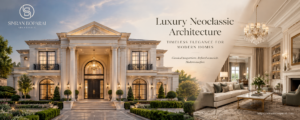

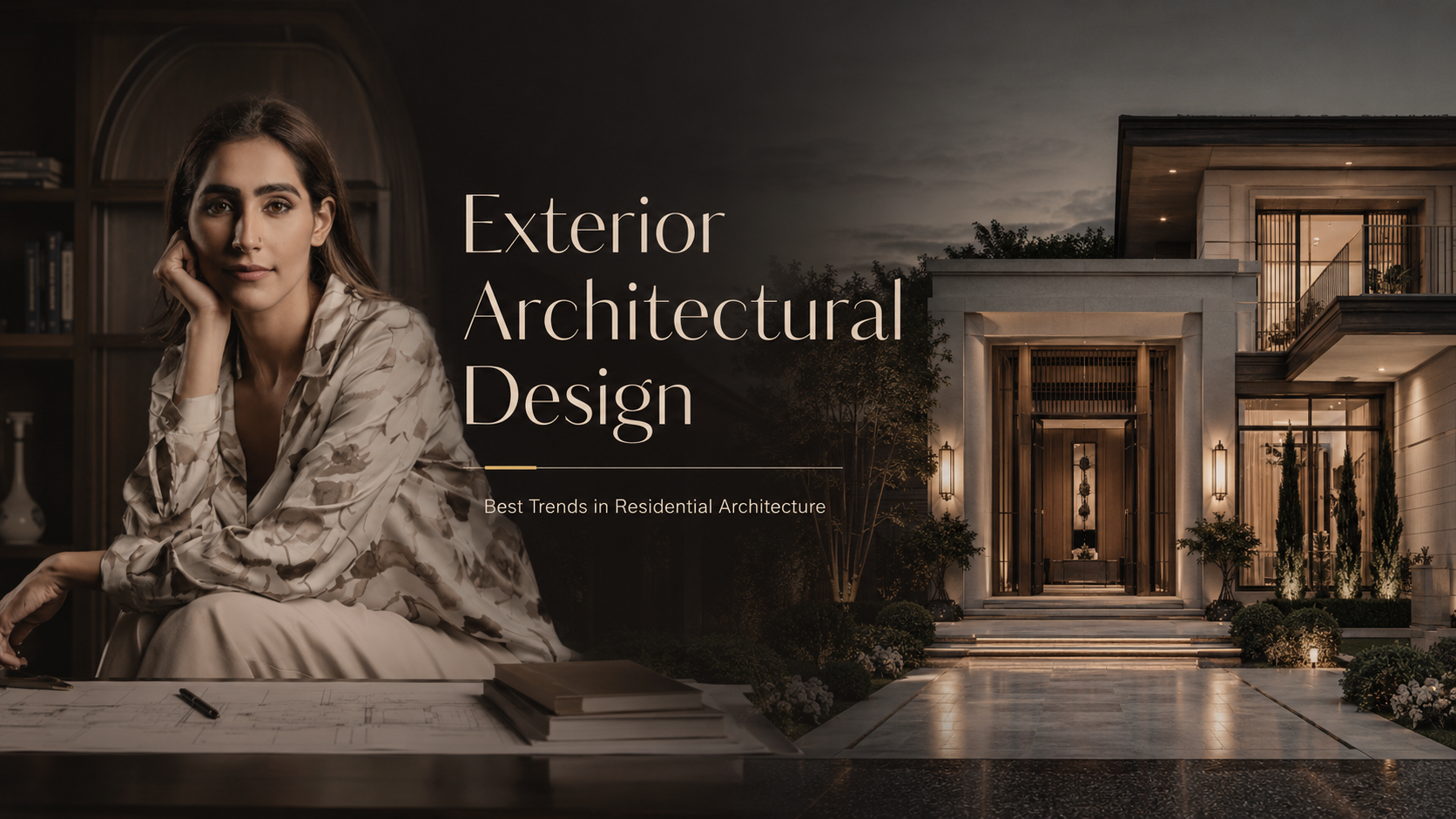
A luxury home begins making an impression long before anyone steps inside. The driveway, gate, façade, entrance, windows, roofline, lighting, materials, and landscape all speak before the interiors are experienced. This is why Exterior Architectural Design is one of the most important parts of residential architecture.
A beautiful home exterior is not just about a grand elevation. It is about proportion, planning, climate response, privacy, lifestyle, material selection, and long-term relevance. A home may look expensive from the outside, but if the architecture is not planned well, the design can feel heavy, disconnected, or outdated within a few years.
For luxury residences, the exterior becomes the identity of the home. It defines how the house sits on the site, how it welcomes guests, how it protects the family’s privacy, and how it connects with the landscape. Strong Exterior Architectural Design creates a home that feels refined, functional, and timeless.
What Is Exterior Architectural Design?
Exterior Architectural Design refers to the planning and design of the outer form of a building. It includes the façade, entrance, roof profile, windows, balconies, terraces, external materials, lighting, landscape relationship, boundary walls, and overall visual composition of the home.
For residential projects, exterior design is not limited to how the house looks from the road. It also decides how the home performs in daily life. Window placement controls natural light. Shading affects comfort. Balcony depth influences privacy. Material choices affect maintenance. Landscape placement changes the arrival experience.
A well-designed exterior is the result of architecture, structure, lifestyle, and site conditions working together.
Why Exterior Architectural Design Matters in Luxury Homes
Luxury homes need more than surface-level beauty. Expensive stone, large glass panels, imported tiles, and decorative details cannot compensate for weak planning. If the exterior does not match the site, climate, layout, and lifestyle of the family, the home will not feel truly luxurious.
Good Exterior Architectural Design gives a luxury home:
- A strong first impression
- Better proportion and scale
- Improved natural light
- Stronger privacy
- Better ventilation
- A more refined entrance experience
- Stronger connection between architecture and landscape
- Long-term visual relevance
- Better alignment between exterior and interior design
The goal is not to make the house look loud. The goal is to make it look intentional.
The Role of Proportion in Exterior Architectural Design
Proportion is the foundation of a successful exterior. A home can have premium materials and still look wrong if the proportions are not controlled.
In luxury residential architecture, every element needs to be balanced. The height of the entrance, the width of the windows, the depth of balconies, the spacing of columns, the roofline, and the solid-to-void ratio of the façade all matter.
A large villa cannot simply use oversized versions of standard home elements. The scale has to be studied properly. A double-height entrance should feel grand without overpowering the rest of the home. Tall windows should bring in light without making the façade look empty. Columns should feel structural and elegant, not decorative for the sake of decoration.
When proportion is handled correctly, the exterior feels calm, premium, and architecturally resolved.
Façade Design Should Begin With the Floor Plan
One of the biggest mistakes in residential design is treating the façade as a separate visual layer. Many homeowners first approve the floor plan and then try to “decorate” the exterior later. This creates a disconnect.
A strong façade should come from the internal planning of the home. The living room, bedrooms, lounges, staircases, terraces, courtyards, and service areas should naturally influence the exterior composition.
For example, a large window should not be placed only because it looks good from outside. It should also support the function of the room inside. A balcony should not be added only for elevation balance. It should be usable, private, shaded, and connected to the lifestyle of the family.
The best Exterior Architectural Design is not pasted onto a house. It grows from the plan.
Best Trends in Residential Architecture for Exterior Design
The best trends in residential architecture today are not just visual trends. Homeowners are looking for homes that feel timeless, efficient, personal, and practical. The strongest trends are the ones that improve the way a home looks and lives.
Timeless Façades Over Trend-Based Elevations
Luxury homeowners are moving away from short-lived exterior trends. A façade that looks fashionable today can feel outdated very quickly if it depends only on trendy shapes, excessive glass, or overused finishes.
Timeless exterior design focuses on balance, symmetry, material discipline, and architectural clarity. This does not mean the home has to look plain. It means the design should have enough restraint to age well.
Neoclassical, modern classical, and refined contemporary homes all benefit from timeless planning. The details may differ, but the principle remains the same. The exterior should feel relevant for decades, not just for one social media moment.
Natural Materials With Lasting Character
One of the best trends in residential architecture is the use of natural and durable materials. Stone, marble, wood, lime plaster, textured concrete, metal screens, brick, and natural finishes are being used to create depth and richness.
However, luxury does not come from using every premium material at once. It comes from choosing the right material for the right place.
Stone can add strength to the façade. Wood can bring warmth. Metal screens can create privacy and visual interest. Marble can add grandeur when used with restraint. Textured walls can soften the overall look.
A good architect understands how these materials will age, how they will respond to climate, and how they will work with the overall design language.
Climate-Responsive Exterior Design
A home exterior should respond to its location. In India, heat, sunlight, dust, rainfall, and privacy conditions need to be carefully considered.
Climate-responsive Exterior Architectural Design may include deep overhangs, shaded balconies, recessed windows, courtyards, pergolas, jaali screens, ventilated façades, and smart landscape placement.
These elements improve comfort while adding architectural depth. A shaded balcony is not only practical. It also creates shadow, texture, and visual layering. A courtyard can bring light into the centre of the home while protecting privacy. A jaali can filter sunlight and create a beautiful play of shadows.
A façade that ignores climate may look impressive in a render but fail in real life. A good exterior performs well every day.
Indoor-Outdoor Living
Modern luxury homes are being planned with stronger connections between indoor and outdoor spaces. This has become one of the best trends in residential architecture because it improves lifestyle and spatial experience.
Outdoor lounges, verandahs, pool decks, terraces, garden seating, courtyards, and dining patios are now important parts of residential planning. They make the home feel larger, more open, and more connected to nature.
But indoor-outdoor living needs careful design. Too much openness can compromise privacy. Too much glass can increase heat. Poorly shaded outdoor spaces may remain unused. The exterior must balance openness, shade, comfort, and privacy.
When designed well, indoor-outdoor spaces become everyday living zones, not just visual features.
Strong Entrance Experience
The entrance of a luxury home must feel deliberate. It should create a sense of arrival without becoming excessive.
A strong entrance may include a landscaped driveway, grand porch, statement door, double-height volume, stone-clad wall, water feature, or framed pathway. The key is to create transition. The entrance should guide a person from the outside world into the private world of the home.
In Exterior Architectural Design, the entrance is not just a door. It is a sequence. The gate, driveway, pathway, lighting, landscape, porch, and main door all work together.
For luxury homes, this arrival sequence often becomes one of the most memorable parts of the architecture.
Layered Privacy
Privacy is a major requirement in premium residential architecture. Large homes often need openness, but they also need control.
Layered privacy can be created through boundary walls, trees, screens, recessed openings, courtyards, angled windows, raised plinths, and strategic zoning. This allows natural light and outdoor connection without exposing private family spaces.
For homes in urban plots or dense neighbourhoods, privacy planning becomes even more important. The home should not feel closed, but it should feel protected.
Good Exterior Architectural Design allows the family to enjoy openness without losing comfort.
Architectural Lighting for Night-Time Presence
Exterior lighting can completely change how a home is experienced after sunset. It can highlight the façade, improve security, guide movement, and create atmosphere.
Luxury exterior lighting should not flood the house with brightness. It should be controlled and layered. Wall washers, step lights, pathway lights, landscape lights, concealed lights, and façade accents can all be used to create depth.
Lighting should be planned with the architecture from the beginning. When lighting is added as an afterthought, it often looks forced. When it is integrated properly, the home looks refined and premium at night.
This is one of the best trends in residential architecture because it improves both beauty and functionality.
Landscape as an Architectural Element
Landscape is no longer a final decorative addition. In luxury homes, landscape is part of the architecture.
Trees can frame the façade. Hedges can create privacy. Courtyards can bring light into the home. Water bodies can soften the entrance. Pathways can guide the arrival experience. Garden zones can extend the living areas outdoors.
When landscape and architecture are planned together, the home feels complete. The exterior does not look isolated. It feels connected to the site.
A strong luxury residence should not look like a building placed on a plot. It should feel like the site and the architecture belong together.
Bespoke Details Instead of Generic Features
Luxury homes need individuality. This does not mean adding unnecessary decoration. It means creating details that feel specific to the home.
Custom gates, carved panels, balcony railings, stone details, metal screens, entrance doors, mouldings, lighting elements, and outdoor seating can all add identity. But these details must support the larger architectural language.
Too many features can make the exterior look cluttered. The better approach is to choose fewer details and execute them with precision.
This is where experienced architectural direction matters. It decides what to highlight, what to simplify, and what to remove.
Architecture and Interiors Planned Together
One of the most important shifts in luxury residential architecture is the integration of architecture and interiors from the beginning.
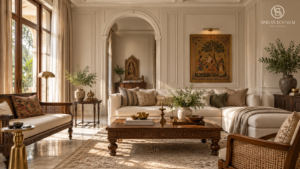
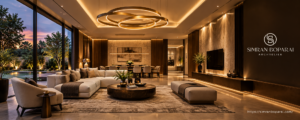
The exterior and interior should not feel like two different projects. Window proportions should make sense from both sides. Ceiling heights should reflect the façade. The entrance should prepare visitors for the design language inside. Outdoor areas should connect naturally with living spaces.
This integrated thinking is one of the best trends in residential architecture because it creates homes that feel complete.
When the exterior says one thing and the interiors say another, the home feels disconnected. When both are planned together, the residence feels more refined and valuable.
Common Mistakes in Exterior Architectural Design
A luxury home can lose its impact because of avoidable mistakes. Some of the most common issues include:
- Copying a façade from a reference image without adapting it to the site
- Choosing expensive materials without understanding maintenance
- Adding too many decorative features
- Ignoring climate and sun direction
- Creating oversized entrances without proportion
- Placing windows only for elevation balance
- Treating landscape as a last-stage addition
- Planning lighting after construction
- Designing the exterior separately from interiors
- Prioritising visual impact over daily comfort
These mistakes usually happen when the exterior is treated as styling instead of architecture.
What Homeowners Should Ask Before Finalising the Exterior
Before approving the exterior design of a luxury home, homeowners should ask practical questions.
Does the façade reflect the lifestyle of the family?
Is the exterior connected to the floor plan?
Will the materials age well?
Is there enough privacy from neighbours and the road?
Does the design respond to sun, heat, and rain?
Is the entrance proportionate to the scale of the house?
Are landscape and lighting planned from the beginning?
Will the home still look relevant after ten years?
Does the exterior match the interior design direction?
These questions help prevent expensive errors before construction begins.
Simran Boparai Archtelier’s Approach to Exterior Architectural Design
For luxury homes, Exterior Architectural Design must carry discipline, elegance, and long-term value. It should feel grand without becoming loud. It should be detailed without becoming cluttered. It should reflect the client’s lifestyle while staying architecturally balanced.
Simran Boparai Archtelier’s design direction is rooted in proportion, precision, artistry, and timeless luxury. The focus is not only on creating impressive exteriors, but on shaping homes that feel complete from the entrance to the interiors, landscape, lighting, and daily movement.
This approach is especially important for luxury villas, farmhouses, private estates, and bespoke residences where every design decision has long-term impact. The exterior is not treated as a final elevation. It becomes part of the home’s larger architectural identity.
Final Thoughts
A home’s exterior is its first impression and its long-term signature. It defines how the residence is seen, how it responds to the site, and how it supports the people living inside.
Strong Exterior Architectural Design is not about adding more features. It is about making the right decisions. Proportion, materials, privacy, landscape, lighting, climate response, and interior connection all need to work together.
The best trends in residential architecture are moving toward timeless façades, natural materials, climate-conscious planning, indoor-outdoor living, layered privacy, bespoke detailing, and integrated design.
For homeowners planning a luxury residence, the exterior should not be treated as decoration. It should be planned from the beginning with architectural clarity and long-term vision.
Because a well-designed exterior does not only make a home look beautiful.
It makes the home feel complete.
FAQs on Exterior Architectural Design
What is Exterior Architectural Design?
Exterior Architectural Design is the planning and design of a building’s outer form, including façade, entrance, windows, balconies, roofline, materials, lighting, landscape connection, and overall visual identity.
Why is exterior design important for luxury homes?
Exterior design defines the first impression, privacy, scale, natural light, climate response, and long-term value of a luxury home. It also connects the architecture with the site and interiors.
What are the best trends in residential architecture today?
The best trends in residential architecture include timeless façades, natural materials, climate-responsive design, indoor-outdoor living, architectural lighting, layered privacy, landscape integration, and cohesive architecture-interior planning.
How can a home exterior look timeless?
A timeless exterior depends on balanced proportions, quality materials, restrained detailing, strong planning, and a design language that does not rely only on short-lived trends.
When should exterior architectural design be planned?
Exterior design should be planned from the beginning of the project. It should evolve with the floor plan, structure, site study, landscape, lighting, and interior direction.