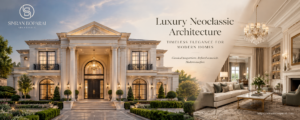

The exterior of a building is the first impression it creates. Before anyone enters a home, villa, commercial space, or hospitality project, the facade communicates the character, design philosophy, and quality of the structure.
A well-designed exterior is not only about creating a visually appealing facade. It involves understanding proportions, materials, climate, functionality, surrounding context, and the lifestyle of the people using the space.
Professional exterior design services focus on transforming the outer appearance of a building while ensuring that the design remains practical, durable, and connected with the overall architectural vision.
At Simran Boparai Archtelier, exterior design is approached as a thoughtful process where every element, from facade composition and material selection to lighting and landscape integration, contributes to creating a balanced architectural experience.
As architecture continues to evolve, understanding the latest trends in architecture 2026 helps designers create spaces that are contemporary while maintaining timeless appeal.
What Are Exterior Design Services?
Exterior design services involve planning and designing the external appearance and surrounding elements of a building.
The process includes much more than selecting colours or adding decorative features. A professional exterior design approach considers:
- Building proportions
- Facade composition
- Material selection
- Entrance design
- Windows and openings
- Lighting design
- Landscape integration
- Climate response
- Structural expression
The goal is to create an exterior that reflects the personality of the project while improving its functionality and visual impact.
A successful exterior design should answer important questions:
- How does the building appear from different viewpoints?
- How does natural light interact with the facade?
- How do materials age over time?
- Does the exterior complement the surroundings?
- Does the design represent the client’s vision?
Every architectural element contributes to the final impression.
Why Exterior Design Matters in Architecture
The exterior is not simply the outer layer of a building. It establishes the relationship between architecture and its surroundings.
A thoughtfully designed facade can:
- Enhance property value
- Improve visual identity
- Create a strong arrival experience
- Respond better to climate conditions
- Improve privacy and comfort
- Express architectural character
For luxury residences, the exterior often reflects the lifestyle and personality of the homeowner.
For commercial and hospitality projects, the facade becomes an important part of brand identity.
This is why professional exterior design services are essential in creating buildings that are visually distinctive and functionally effective.
The Importance of Facade Design
The facade is one of the most significant elements of any architectural project.
It defines:
- Scale
- Proportion
- Material language
- Visual rhythm
- Overall character
A successful facade is not created by adding multiple design elements. It is created through careful decisions about balance and composition.
Professional designers consider:
Proportion
The relationship between different elements determines whether a building feels harmonious.
Important considerations include:
- Window sizes
- Wall surfaces
- Vertical and horizontal lines
- Openings
- Architectural features
Material Balance
Materials create texture and depth.
Common exterior materials include:
- Natural stone
- Wood
- Metal
- Glass
- Concrete
- Plaster finishes
The right combination can create a sophisticated and long-lasting exterior.
Lighting Integration
Exterior lighting enhances architectural features during evening hours.
It can highlight:
- Textures
- Entrance areas
- Landscape elements
- Structural details
Lighting should support the architecture rather than overpower it.
Exterior Design Services for Luxury Homes and Villas
Luxury residential projects require a detailed understanding of lifestyle, privacy and architectural expression.
A villa facade should feel unique while remaining practical.
Professional exterior design services for luxury homes may include:
- Facade design
- Entrance planning
- Balcony design
- Window placement
- Material selection
- Landscape coordination
- Outdoor lighting
Large residences often require a balance between grandeur and comfort.
A well-designed exterior creates a sense of arrival while maintaining a connection with the surrounding environment.
Creating a Strong Entrance Experience
The entrance is one of the most important parts of exterior design.
It creates the first interaction between people and the building.
A thoughtfully designed entrance considers:
- Pathway movement
- Door proportions
- Lighting
- Landscape elements
- Material transitions
- Architectural details
For luxury residences, entrance design often becomes a defining feature.
Elements such as arches, columns, canopies or carefully planned landscape elements can create a memorable arrival experience.
However, these features should always support the overall design language rather than appear as separate additions.
Material Selection in Exterior Design
Materials influence both the appearance and performance of a building.
A professional exterior design service evaluates materials based on:
- Durability
- Maintenance requirements
- Weather conditions
- Texture
- Colour behaviour
- Long-term appearance
For example:
Natural stone can add richness and permanence.
Wood can introduce warmth and texture.
Glass can create openness and visual connection.
Metal can provide contemporary detailing.
The selection process should consider how materials will perform years after completion, not only how they look initially.
Climate Responsive Exterior Design
Modern architecture increasingly focuses on designing buildings that respond to their environment.
A well-planned exterior can improve comfort by considering:
- Sun direction
- Natural ventilation
- Shading requirements
- Local climate
- Material performance
Features such as:
- Deep overhangs
- Screen elements
- Courtyards
- Shaded openings
- Landscape buffers
can contribute to better environmental performance.
Climate-responsive design is becoming one of the important trends in architecture 2026, where architects focus on creating buildings that are both beautiful and responsible.
Trends in Architecture 2026 Influencing Exterior Design
Architecture continues to evolve with changing lifestyles, technology and environmental priorities.
The trends in architecture 2026 are expected to focus on creating spaces that combine aesthetics, sustainability and human comfort.
Some key directions influencing exterior design include:
1. Timeless Architecture Over Temporary Trends
One major shift in modern architecture is moving away from designs that quickly become outdated.
Homeowners and developers are increasingly looking for architecture that remains relevant for decades.
This approach focuses on:
- Balanced proportions
- Quality materials
- Thoughtful detailing
- Strong architectural concepts
Instead of following short-lived styles, designers are creating exteriors with lasting character.
2. Natural Materials and Textured Surfaces
Natural materials continue to influence contemporary architecture.
Stone, wood and handcrafted finishes create depth and visual interest.
In 2026, exterior design is expected to continue exploring:
- Natural textures
- Earth-inspired colours
- Material contrast
- Authentic finishes
These materials help buildings feel connected with their surroundings.
3. Strong Indoor-Outdoor Connection
Modern homes are increasingly designed around the relationship between interior and exterior spaces.
Exterior design services now consider:
- Large openings
- Courtyards
- Outdoor living areas
- Landscape integration
- Seamless transitions
The objective is to create spaces where nature becomes part of everyday living.
4. Sustainable Facade Strategies
Sustainability is becoming a central part of architectural decision-making.
Future-focused exterior design considers:
- Energy efficiency
- Responsible material choices
- Natural cooling strategies
- Reduced environmental impact
Facades are no longer only visual elements. They contribute to how buildings perform.
5. Minimal Yet Detailed Architecture
Modern architecture is moving towards cleaner forms with carefully selected details.
Instead of excessive decoration, designers are focusing on:
- Strong geometry
- Material contrast
- Precise detailing
- Functional elements
A minimal exterior can still feel luxurious when proportions and materials are thoughtfully planned.
6. Personalised Architectural Identity
Every client has different requirements, preferences and lifestyles.
One of the important trends in architecture 2026 is personalised design rather than repeating identical styles.
Exterior design is becoming more focused on:
- Individual expression
- Custom details
- Unique spatial experiences
- Context-based solutions
A building should reflect the people and purpose behind it.
The Role of Landscape in Exterior Design
Architecture and landscape work together to create complete environments.
Landscape elements can enhance:
- Privacy
- Entry experience
- Climate response
- Visual appeal
Exterior design services often coordinate:
- Plantation
- Pathways
- Outdoor seating
- Lighting
- Water elements
A building surrounded by thoughtfully planned landscape feels more integrated with its environment.
Exterior Lighting Design
A building’s character changes throughout the day.
During the evening, lighting reveals different aspects of architecture.
Exterior lighting can highlight:
- Facade textures
- Entry points
- Landscape features
- Architectural details
A good lighting strategy creates atmosphere while maintaining functionality.
Important considerations include:
- Light placement
- Intensity
- Energy efficiency
- Visual comfort
Lighting should enhance architectural elements naturally.
Common Mistakes in Exterior Design
Many exterior design problems occur when decisions are made without proper planning.
Adding Too Many Elements
A facade can become visually overwhelming when too many decorative features are added.
Good design focuses on balance.
Ignoring Context
A building should respond to its surroundings rather than appearing disconnected.
Selecting Materials Only for Appearance
Materials must also perform well in real conditions.
Poor Lighting Planning
Incorrect lighting can reduce the impact of even a well-designed facade.
Following Trends Without Considering Longevity
Architecture should remain relevant beyond current preferences.
Why Professional Exterior Design Services Add Value
A professional design approach brings together creativity, technical understanding and practical execution.
Experienced designers help with:
- Concept development
- Facade planning
- Material selection
- Design detailing
- Lighting coordination
- Landscape integration
This ensures that the final exterior is not only attractive but also functional and durable.
A well-planned design process reduces mistakes and creates a stronger connection between vision and execution.
Why Choose Simran Boparai Archtelier for Exterior Design?
Simran Boparai Archtelier approaches exterior design through a combination of architectural understanding, proportion, detailing and material sensitivity.
Each project is developed by considering:
- Site context
- Client lifestyle
- Functional requirements
- Architectural character
- Long-term value
The focus is on creating exteriors that feel refined, purposeful and timeless.
From luxury residences to large-scale architectural projects, every design decision is made to create spaces that are memorable and meaningful.
The Future of Exterior Design
The future of architecture is moving towards a balance between technology, sustainability and human experience.
Exterior design will continue to evolve through:
- Smarter materials
- Climate-responsive solutions
- Personalised architecture
- Better indoor-outdoor relationships
- Timeless design principles
The most successful buildings will not only look impressive but also perform efficiently and connect with the people who use them.
Final Thoughts
A building’s exterior is more than a visual identity. It represents the connection between architecture, environment, and lifestyle.
Professional exterior design services help transform ideas into carefully planned architectural expressions that remain functional and visually strong for years.
By understanding materials, proportions, climate, and emerging trends in architecture 2026, designers can create exteriors that are contemporary yet timeless.
A thoughtfully designed exterior does not simply enhance a building’s appearance. It defines the experience of the space before anyone even enters.