
Introduction
The parameters used to define legacy homes have expanded beyond their previous size-based measurement system. The legacy of a home extends beyond its physical size to include its design elements and emotional connections and its capacity to maintain its significance throughout multiple decades. Clients of today want more than just a big house combined with an attractive exterior. They want a home that possesses deep significance and fosters their daily habits and endures through time. The concept of legacy homes serves as an essential foundation for our work because it extends beyond temporary fashionable luxury design elements.
The discussion about legacy homes at Simran Boparai Architecture extends beyond their decorative elements and high-priced materials. The discussion focuses on three elements that include residential development and user experience and the long-lasting value of the property which endures through time. A home with that level of depth does not happen by accident. The process requires design elements to be defined and technical skills to be mastered and an architect to establish a distinct design approach.
What Legacy Homes Really Mean Today
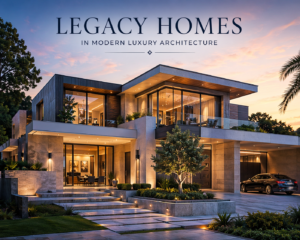
The design of legacy homes creates permanent residential spaces. Architects create buildings that remain useful and functional throughout their existence. Architects use building layout and space design and material choice to create spaces which people can inhabit for extended periods. The design of modern legacy homes enables homeowners to move away from decorative elements which they use to show their wealth. The design language combines beauty with family needs and private space and comfortable living and personal identity. A residence becomes permanent when its design maintains its value through ten or twenty years without following temporary trends.
The standard for upscale residential developments has now become legacy homes. The system creates emotional links with humans while maintaining architectural worth and improving everyday life experience. The design team creates an enduring design which accommodates family changes and property development instead of following current design trends.
Why Timeless Residential Architecture Matters More Than Ever
Homeowners show increased understanding of home design which enables them to choose better. They create specific inquiries about planning, natural light, privacy, movement, family needs, and future adaptability. Legacy homes demonstrate their value through architectural elements which fulfill specific needs of the environment. Timeless architecture matters because homes are long-term investments, both financially and emotionally.
A residence that lacks planning clarity may look impressive initially but become frustrating in everyday use. The combination of oversized rooms without purpose and disconnected circulation and dramatic materials without balance and decorative overload, results in diminished long-term quality, which affects the way people live their lives.
Legacy homes solve this problem because they concentrate on essential design principles. Their design foundation rests upon proportions which create spatial hierarchies and use specific details to achieve site-sensitive design. The design approach results in a home design which maintains its personal touch yet can be confidently maintained across different time periods.
The Role of Planning in Legacy Homes
The planning process serves as the primary support system which protects the historical homes of the area. The structural design of the house operates according to its fundamental guidelines which must be established before architects can select materials and create exterior and interior designs. The design controls all aspects of a building which include distribution between public and private spaces together with the layout of different spaces and the design of service areas and the experience of entering the building and the movement through space and the connections between different areas.
A well-planned residence allows the family to move through the home naturally. The formal areas create separate spaces which still maintain their connection to each other. Protected space exists within the private areas. The service functions perform their duties with maximum efficiency. Hosting guests becomes a simple task. Daily activities proceed with greater efficiency. The decorative elements will not achieve these results. The results will emerge from the process of planning.
The planning process for large residential spaces becomes essential because their size makes it impossible to handle all aspects of the project without it. The absence of spatial order will lead to complete confusion about scaling issues. The historical homes of the area maintain their protection because their space designates specific functions that must be used. They replace random grandeur with structured experience. The difference between a visually large house and a refined residential environment exists as their actual physical dimensions display different size characteristics.
Legacy Homes Must Reflect Human Experience
A home becomes more than an object because it serves as a place that people use for moving, resting, gathering, and returning throughout their daily life. Human experience needs to guide the design of legacy homes because their value extends beyond visual appeal. Architectural design should support family activities while maintaining natural family behaviors.
The design needs to create both emotional comfort and functional capabilities. The design needs to achieve optimal ceiling heights which create proportional relationships. The design requires openings to create meaningful light and view framing. The materials should achieve a state of permanence which provides a strong foundation for construction. The design needs to create pathways which users will find easy to navigate. The design should provide spaces which enable people to experience peacefulness. The design of social areas needs to create situations which enable people to interact but maintain control over their social interactions.
The home develops more complexity through architectural design which shows how people actually live. The space maintains its inhabited appearance even though it has just been constructed. The setup creates an authentic atmosphere which lacks any artificial elements. Legacy homes achieve that because they are shaped around rhythm, routine, and emotional intelligence, not just visual ambition.
The Importance of Proportion and Scale
The fundamental element of proportion serves as the primary foundation for evaluating residential building design excellence. The design of legacy homes relies on this fundamental principle because proportion establishes space’s silent power.
The most expensive materials will lose their value when people use them with incorrect dimensional standards. The way spaces develop leads to their architectural elements becoming united with exterior environments through three interconnected methods of spatial organization.
A home can feel overpowering, cramped, flat, or disjointed when these elements are not resolved properly. The home reaches a higher level of sophistication because its proportions have been properly set. The statement holds particular importance for expensive residential properties. People often confuse expensive architectural designs with heavy visual elements but traditional homes demonstrate the opposite effect.
True sophistication comes from balance. The process involves understanding which elements require strong impact and which need quiet restriction. The experience of home control creates architectural development that leads to home architectural development.
Material Selection That Supports Longevity
The materials used in legacy homes function as essential elements because their visual appearance. The materials used in construction need to maintain their performance during extended periods while creating the house’s atmosphere. A residence that achieves timelessness requires materials which designers will use throughout upcoming design trends. The building uses materials which develop aesthetic value without losing their fundamental design elements throughout extended periods.
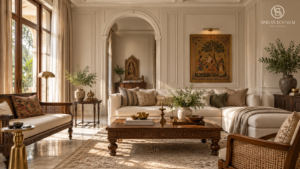
The combination of stone and timber and metal details with expertly crafted plasterwork and deliberate moulding and natural textured elements creates an ideal foundation for constructing permanent homes. The project requires only one expensive surface to achieve its objectives. The design needs to establish a material system which maintains architectural unity throughout its implementation. The traditional home needs this aspect to operate effectively. The home loses its strong identity when multiple materials compete for attention. A strong palette, handled with discipline, creates coherence. The home achieves greater value because each material exists for a specific purpose.
Light, Landscape, and the Sense of Arrival
The design of Legacy homes creates continuous spaces which extend beyond their box-like form. The design of the home takes shape through the combination of sunlight and building orientation and the path people take to reach their home and their connection to the surrounding environment. The entrance of the house and the distribution of natural light throughout the rooms and the design of windows determine how people perceive the house.
Architecture requires light to create its visual dimension. The material creates a distinct atmosphere which evolves throughout the day because the light interacts with different elements of the space. The design of the home uses natural light as a fundamental component which creates functional spaces.
The design element functions as a design element. The openings in the design exist to create particular experiences which extend beyond their basic function of providing airflow. The system handles shadow creation. The system maintains boundaries for human eyes. The system prevents excessive brightness.
The strategic function of landscape elements. The strong site plan creates seamless movement between outdoor spaces and indoor areas while reducing the visual impact of the large home. The complete arrival sequence at Legacy homes creates an impressive experience for visitors. The design elements of the gate and driveway and entry court and door and foyer and first view create a unified storytelling experience.
Beyond Style: Why Identity Matters
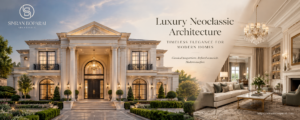
Homeowners commence their design process when they request their preferred architectural styles. They may reference neoclassical, contemporary, modern luxury, or transitional design. The discussion about legacy homes needs to continue beyond basic design elements. The home must also reflect the family’s identity, their values, and the way they want the space to feel over time. Design direction establishes itself as a strategic element for the design process.
People should not create architectural designs through the method of combining multiple social media design elements. The design needs to express an integrated solution which meets the requirements of the client and the project site and the dimensions of the building. The unique qualities of a residence emerge from its essential components which extend beyond its visual elements.
The distinctive character of legacy homes arises from their permanent connection to their historical past. They do not imitate. They create their own interpretation of reality. They transform their aspirational goals into actual physical structures. The project achieves unique design elements which retain their traditional qualities, which presents a significant challenge for creating residential design.
Legacy Homes and Multi-Generational Thinking
The historical value of traditional homes has regained importance through the revival of multi-generational family design. Modern large family homes require design solutions which enable them to accommodate multiple family members along with their guests and staff while providing areas for wellness work and socializing activities. Architects need to design all building components because of their actual construction requirements.
A house which serves only one particular life stage will eventually restrict its residents. Legacy homes and their built-in design elements provide flexible living spaces. Designers can create suites which protect their occupants through soundproofing.
Family members can bond through shared spaces which still preserve their individual areas. Designers can create spaces which will meet future needs of accessibility and home offices and extended stays and evolving family roles.
The method establishes permanent knowledge within the project. The system enables the house to maintain functionality through all upcoming periods. A house needs to display more than initial visual attractiveness. The house must adapt to new family needs which emerge throughout their lifetime.
Why Custom Home Design Strengthens Long-Term Value
Custom home design is essential for developing legacy homes because standard solutions fail to provide the necessary suitability and identity and flexible design solutions. Architectural design develops through custom processes because they enable architects to create designs that match specific land characteristics and family needs and traffic flow requirements and visual objectives.
The system delivers improvements which extend across various aspects of performance, efficiency, and personal experience. The plan becomes more efficient. The home feels more personal. The materials feel more intentional. The site is used more intelligently. The result delivers improved living conditions for people while increasing property value throughout the years.
This point carries greater importance within the high-end market. Homebuyers and homeowners now possess better skills to identify properties which display high design standards. The design of the house enables them to distinguish between a property which costs a lot and one which possesses complete architectural value. Legacy homes sit firmly in the second category.
The Simran Boparai Architecture Approach to Legacy Homes
Simran Boparai Architecture establishes its design method through legacy homes which match its commitment to detailed work at various design scales and through fundamental design principles. The work does not pursue rapidly evolving fashion statements. The team creates residential designs which display architectural strength through their effective space organization and distinct design character.
The practice establishes legacy homes as its primary focus because it protects essential historical assets. Residential architecture can be evaluated through more significant discussions which they provide. The design elements of luxury extend beyond decorative finishes and extravagant displays because they include the essential aspects of planning and environmental design together with their construction elements and enduring worth.
Homeowners who want to make their choice between these two options must understand why this transformation matters. The result establishes homes which provide an entire experience while they honor actual architectural principles and maintain their worth throughout future time.
Conclusion
Legacy homes serve as the architectural path that leads to future developments in residential design. The buildings transform their function by creating permanent residential spaces which architects designed to be understood through their unobstructed yet physically enduring design. The structure unites four elements which include traditional architectural design methods and material usage and building design according to local conditions and family-oriented architectural solutions.
Simran Boparai Architecture uses legacy homes because they create an appropriate environment for demonstrating architectural richness. The design philosophy establishes a framework which combines elegant design elements with structural components and creates luxurious experiences through meaningful design. The strategy offers him a superior competitive advantage because he operates in an environment where disruptive elements dominate his industry.
The value of exceptional residential spaces extends beyond their initial viewing because their architectural design remains attractive throughout their existence. The homes maintain their worth while creating strong emotional bonds with the residents. The true potential of legacy homes exists through their capacity to create permanent connections with residents.
FAQ
1. What are legacy homes in architecture?
Legacy homes are residences designed for long-term relevance. They focus on timeless planning, strong proportions, durable materials, and family-centered functionality rather than short-term visual trends.
2. Why are legacy homes important in luxury residential design?
Legacy homes create lasting value. They improve everyday living, strengthen architectural identity, and help a residence remain desirable and usable over many years.
3. How are legacy homes different from trend-based luxury homes?
Trend-based homes often focus on visual appeal tied to a certain moment. Legacy homes focus on enduring principles like planning, proportion, comfort, and material longevity.
4. Can legacy homes work in both classical and modern styles?
Yes. Legacy homes are not limited to one style. They can be neoclassical, contemporary, modern, or transitional, as long as the design is coherent, timeless, and deeply resolved.
5. Do legacy homes increase property value?
They often support stronger long-term value because buyers and homeowners respond to well-planned, custom-designed residences that age gracefully and function efficiently.