
Introduction
People now approach house design work in India because they want to build homes which provide both aesthetic value and functional space. Homeowners today require spaces which match their individual requirements and their environment and their need for personal space and their family dynamics and their plans for future development and their requirement for ongoing comfort. The exterior appearance of a good home provides only a partial view of its complete value. The building operates through its design elements which include movement pathways and natural light and air movement and room dimensions and capacity and construction materials and spatial interrelations.
The design process becomes crucial when developing high-end residential properties which include villas and bungalows and farmhouses and expansive residential spaces. The home should establish its majestic areas while creating peaceful zones and maintaining functionality throughout its entire space. The built environment achieves its most effective results through intelligent architectural design.
Simran Boparai Architecture designs homes which combine aesthetic appeal with functional design through systematic development.
Why Planning Comes Before Style
Homeowners typically start their design process by using references from Pinterest and Instagram and luxury home photographs to create their initial design ideas. The planning process requires these references as helpful resources, yet they fail to provide complete design solutions. Every location requires different design elements because various factors, including sunlight patterns and road access and privacy requirements and family activities and climate conditions, determine site-specific requirements.
In House Design In India the first step should always be understanding the site. What direction does the sun approach the site from? What path does wind follow to move across the plot? Which side needs to be kept hidden from view? What location should be used to establish the main entrance? What methods exist to separate public spaces from private areas?
The construction process needs to identify answers for these questions since they will improve home stability from its foundation onwards. Designers can create their styles later, but planning mistakes will result in expensive work to fix those errors.
Understanding the Indian Family Lifestyle
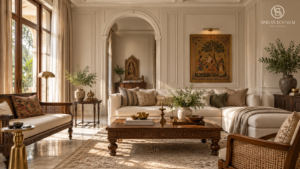
Indian homes exist as special structures because they accommodate multiple generations and various daily activities and social events. A house needs formal living areas and family lounges and guest rooms and mandir spaces and staff sections and outdoor seating areas and large kitchen facilities and utility rooms and entertainment spaces.
The House Design In India needs to adopt different design methods because it requires solutions that fit specific client needs. The design must reflect the actual behavior patterns of family members. Some families need separate areas for their different generations. Some need large gathering areas. Some need separate guest circulation. Some need open spaces that children and elderly members can use.
Home designers need to establish these elements before they create a final design which includes all design components.
Site Orientation and Natural Light
Natural light provides a complete transformation of home experiences. Harsh sunlight creates uncomfortable indoor conditions which become especially problematic during Indian weather patterns. An effective architectural design needs to establish an optimal balance between light and shade and ventilation systems.
The home design benefits from large windows and courtyards and skylights and shaded balconies and double-height spaces and deep overhangs. The elements need to be installed in their proper locations.
In premium House Design In India, light should not be treated only as an aesthetic element. The design needs to create comfortable indoor spaces which decrease artificial light needs while providing continuous daylight illumination throughout the day.
Ventilation and Climate Response
The country of India experiences multiple climate zones which include hot arid regions and humid coastal cities and cool northern regions. The construction of a house in Gujarat requires different planning methods than those used to design houses in Himachal and Mumbai. The design of a building requires different solutions for materials and openings and insulation and roof treatment and ventilation system based on its geographic location.
The design process needs to focus on four elements which include cross-ventilation and shaded openings and thermal comfort and roof protection. People who live in climate-responsive homes experience greater comfort and their homes present improved performance throughout the years.
The energy usage and resident comfort and building upkeep procedures in energy-efficient residential spaces make this aspect essential for House Design In India which applies to bigger houses.
Elevation Design With Purpose
The initial view of a house comes from its elevation but designers should not use it as their sole basis for creating the entrance. The building facade needs to provide three essential functions which include maintaining privacy and controlling light and safeguarding against weather conditions while maintaining correct architectural proportions.
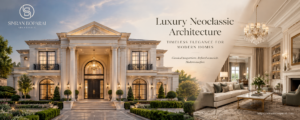
Neoclassical, modern classical, contemporary, minimal, or traditional styles can all work beautifully when they are designed with balance. The problem begins when elevation elements are added without connection to the internal plan. The interior activities of a house should determine which design elements should appear in its exterior elevation. All building elements including windows and balconies and columns and arches and stonework and screens and terraces should establish connections with both the building design and site organization.
Luxury Is in Proportion, Not Excess
Designing luxury homes requires designers to use more materials while increasing building height and installing additional light sources and decorative fixtures. The authentic essence of luxury exists in its refined expression. The elements of proportion, scale, detail, comfort, and restraint create the true essence of luxury.
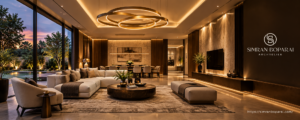
The design of a grand entrance requires proper height and approach and lighting and material and visual pause elements. The design of the double-height living room requires an equal amount of space between chandeliers and wall treatment elements. A space requires its design elements to create equal amounts of space and furniture and sound control and human comfort.
The design of luxury houses in India should create an atmosphere that enables effortless living instead of creating forced experiences.
Space Zoning for Better Living
Zoning functions as an essential component that determines the development of residential areas. The different space types which include public areas and semi-private areas and private areas require distinct boundaries for their usage. The entrance together with formal living areas and the guest washroom and entertainment spaces should be located near public access points. The family lounges and bedrooms and study areas together with personal spaces should create a protected atmosphere. The design of service areas which include kitchens and utilities and staff rooms and storage needs to occur through effective planning that maintains the primary living space experience.
The home achieves organized spatial arrangement through effective zoning which requires no further explanation.
Importance of Circulation
Zoning functions as an essential component that determines the development of residential areas. The different space types which include public areas and semi-private areas and private areas require distinct boundaries for their usage. The entrance together with formal living areas and the guest washroom and entertainment spaces should be located near public access points. The family lounges and bedrooms and study areas together with personal spaces should create a protected atmosphere. The design of service areas which include kitchens and utilities and staff rooms and storage needs to occur through effective planning that maintains the primary living space experience.
The home achieves organized spatial arrangement through effective zoning which requires no further explanation.
Designing for Privacy
Architectural design of Indian homes needs to address privacy because it serves as an essential requirement. The design of homes needs to consider three main elements which include the surrounding neighboring plots and the presence of roads and staff members who pass through the area. A successful design solution maintains privacy for residents while creating an open atmosphere throughout the residence.
The solution requires the use of special design elements which include window locations and protective screens and landscape barriers and internal courtyard spaces and staggered openings and advanced zoning systems. The design process requires special focus on the following areas which include bedrooms and bathrooms and lounges and outdoor seating spaces. A house needs to provide open areas for specific locations while establishing protective boundaries for essential areas.
Role of Outdoor Spaces
The purpose of outdoor spaces extends beyond their decorative function. The home experience improves through the use of gardens, terraces, balconies, courtyards , decks and verandahs.
Indian homes use outdoor spaces to accommodate morning tea time family gatherings, festive functions, children’s play activities and peaceful evening time. The spaces require proper design for their shading needs and their essential requirements of privacy and flooring and lighting and drainage and furniture layout design.
People do not use outdoor spaces when their design plans fail to meet their needs. People use outdoor spaces when these spaces have been designed to function as part of their everyday activities.
Material Selection for Indian Homes
Materials selection needs to consider four factors, which are climate conditions, maintenance requirements, budget restrictions, and design objectives. The different materials which include marble, stone, wood, veneer, tiles, metal, glass, and textured finishes, each possess unique strengths and weaknesses.
The materials present an attractive appearance, but their upkeep demands considerable effort. The materials perform badly in areas with high humidity. The materials become excessively hot when they are located in outdoor spaces. The materials will not maintain their original quality after they undergo extensive usage.
The correct material strategy to use for the home maintains its sophisticated appearance and functional value. The solution decreases expenses for upcoming building maintenance.
Interiors Must Follow Architecture
The common error occurs because people think of interior work as a different stage which starts after building construction finishes. This practice results in difficulties regarding ceiling heights and lighting positions and furniture arrangements and electrical outlet locations and storage spaces and wall elements. Architects must start their interior design work during architectural design development.
Designers need to establish furniture dimensions and bed locations and wardrobe sizes and kitchen movement patterns and mandir positions and lighting fixtures and air-conditioning pathways at the beginning of their planning process. The process of designing a home becomes more effective when architects and interior designers work together throughout their design process.
Kitchen and Utility Planning
The kitchen is one of the most used spaces in an Indian home. The kitchen space requires efficient workflow together with its storage needs and ventilation systems and appliance setup and service areas and maintenance procedures.
Many homes also require dry kitchens, wet kitchens, pantry areas, utility zones, and staff support areas. The family needs to determine their cooking patterns together with their daily activities to create their kitchen space requirements.
A kitchen space becomes irritating when it fails to meet basic functioning requirements for its users. The design of all products needs to support their actual use in real-world situations.
Bedroom Planning for Comfort
Bedrooms must create a tranquil atmosphere which provides personal space and relaxation. The design requires careful planning of bed placement while examining wardrobe accessibility and bathroom access and natural illumination and study area and seating arrangement and light fixtures.
Master bedrooms require space for walk-in closets and personal sitting areas and outdoor balconies and extended bathroom facilities. Children’s rooms need design flexibility to accommodate their future development. Guest rooms need to provide comfort while maintaining their secondary role in the main design process.
Bedroom design needs to create an environment which enables both privacy protection and restful sleep and allows for routine activities.
Bathrooms and Maintenance
The bathroom design process needs advanced technical work because it requires multiple essential components which include waterproofing and drainage and ventilation and material grip and lighting and storage and fixture placement to be established. A luxury bathroom requires more than just marble and fittings because it needs to maintain proper cleanliness and safety while preventing moisture damage. The design of a bathroom space can lead to permanent structural damage which results in expensive repairs.
The same importance exists for technical detailing as it does for visual design.
Parking and Arrival Experience
In premium residences, arrival experience is very important. The driveway and porch and parking and pedestrian entry and security cabin and landscape and main door should be planned as one continuous path. Parking should be accessible from all areas of the property yet should not dominate its visual appearance. The guest arrival process should provide a seamless experience for visitors to the building. The entrance should create a sense of welcome and importance.
The arrival sequence at larger plots will determine their main architectural design element.
Future-Ready Home Planning
The design of a home needs to accommodate both present requirements and upcoming modifications. Families experience growth while their members develop new habits and their technological needs and living spaces change.
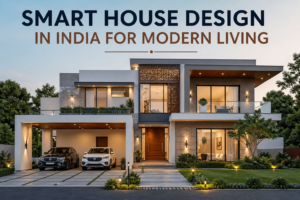
Future-ready planning may include spaces that can change their function, lift systems, smart home technology, solar power systems, electric vehicle charging stations, extra storage space, and flexible room designs.
The approach enables the house to maintain its usefulness for extended periods without the need for extensive design changes.
Why Expert Architectural Guidance Matters
Home design requires substantial financial resources to complete. The project will incur future costs because planning errors and structural faults and service shortcomings and material defects were made at the beginning. The project needs professional architectural guidance to establish structured operational procedures.
Simran Boparai Architecture provides residential design services which emphasize three architectural elements: scale, planning, and proportion. The designers create houses which combine sophisticated appearance with functionality to meet people’s actual living requirements.
The good architect creates designs which include both visible elements and hidden components. The architect creates solutions which address both immediate problems and long-term needs of the homeowners.
Conclusion
The design of a home reaches its best state when architects create structures which match their environment and their intended purpose and which protect their inhabitants while maintaining their essential functions. The value of beauty should not diminish essential functions according to design principles. The strongest residences are not created by adding more features. They are created by making better decisions at the right stage. Proper planning enables a home to achieve four essential attributes which include elegance and practicality and personal character and future readiness.
FAQ
1. What is the most important part of planning a home?
The most important part is understanding the site and lifestyle before starting the design. Sunlight, ventilation, privacy, family structure, movement, and future needs should all be studied before the layout is finalized.
2. Why should interiors be planned along with architecture?
Interiors affect furniture placement, lighting, electrical points, ceiling levels, storage, and room usability. When interiors are planned early, the final home feels more coordinated and avoids expensive changes later.
3. How do architects make homes more climate-friendly?
Architects use orientation, shading, cross-ventilation, material selection, roof treatment, window placement, and landscape planning to improve comfort and reduce heat gain.
4. What makes a luxury home truly functional?
A luxury home becomes functional when grand spaces, private areas, service zones, storage, lighting, circulation, and comfort are all planned together. It should look premium and work smoothly in daily life.
5. Is elevation design enough to make a home beautiful?
No. Elevation is only one part of the design. The layout, proportions, natural light, materials, interiors, and user experience are equally important in creating a beautiful and livable home.