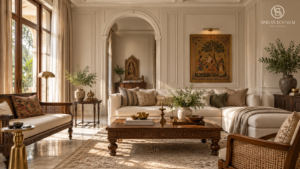


A luxury home does not come together through beautiful furniture alone. It needs planning, coordination, material clarity, execution control, lighting, furniture, decor, styling, and site-level precision. This is why a turnkey interior project has become one of the most preferred approaches for homeowners who want a refined home without managing every technical and execution detail themselves.
In a high-end residence, every design decision affects another. The flooring affects the wall finish. The ceiling affects the lighting. The furniture affects circulation. The curtains affect the mood of the room. The electrical layout affects how the space functions every day. When these elements are handled separately, the result can feel fragmented.
A turnkey interior project solves this by bringing the entire interior journey under one clear design and execution direction. Instead of dealing with separate designers, vendors, contractors, carpenters, lighting consultants, furniture suppliers, and decor teams, the homeowner gets a more structured process from concept to completion.
For luxury homes, this matters because the final result is not only about how the home looks. It is about how smoothly it is planned, how carefully it is executed, and how naturally it supports the lifestyle of the family.
What Is a Turnkey Interior Project?
A turnkey interior project is a complete interior design and execution solution where the project is handled from start to finish. It usually includes space planning, design concept, material selection, furniture planning, lighting design, civil work, false ceiling, carpentry, finishes, decor, styling, and final handover.
The idea is simple. The homeowner shares the vision, requirements, lifestyle needs, and preferences. The design team then develops and executes the interiors in a coordinated way so the home is ready to use at the end of the process.
In luxury residential projects, turnkey interiors are especially valuable because there are too many moving parts. A large villa, private estate, farmhouse, or bespoke residence needs more than a mood board. It needs technical detailing, vendor coordination, site supervision, quality checks, timelines, and design continuity.
A turnkey model helps protect the original design intent from being diluted during execution.
Why Turnkey Interiors Matter in Luxury Homes
Luxury homes are complex. They often include formal living areas, family lounges, bedrooms, kitchens, walk-in wardrobes, home offices, mandirs, entertainment zones, guest suites, powder rooms, terraces, basements, gyms, spa areas, bars, and staff zones.
Each space has a different function, mood, material requirement, lighting need, and privacy level. If these are not planned together, the home may look expensive but feel inconsistent.
A turnkey interior project brings all these spaces into one cohesive design language. The home does not feel like a collection of separate rooms. It feels like one complete residence.
This is important because luxury is not created by adding more elements. It is created by controlling the right elements. Scale, proportion, comfort, materials, lighting, texture, and detail must all work together.
The Difference Between Interior Design and Turnkey Execution
Interior design focuses on planning the look, function, mood, and experience of the space. It includes layouts, concepts, material palettes, furniture direction, lighting ideas, and visual design.
Turnkey execution goes further. It takes the approved design and manages the practical process of bringing it to life. This includes site work, vendor coordination, procurement, installation, supervision, finishing, and handover.
A turnkey interior project combines both. The same design direction that creates the concept also guides the execution. This reduces the gap between what was imagined and what is finally delivered.
For luxury homes, this gap is critical. Many projects lose their refinement during execution because small details get changed on site. Materials are substituted. Proportions are altered. Lighting is shifted. Furniture dimensions are adjusted without checking the overall impact. These decisions may look minor individually, but together they can weaken the final result.
Turnkey planning helps reduce this risk.
Benefits of a Turnkey Interior Project
1. One Clear Design Direction
A luxury home needs a strong design direction from the beginning. When multiple teams work independently, the design can become scattered. A turnkey model keeps the project aligned under one vision.
This helps maintain consistency across flooring, walls, ceilings, furniture, lighting, decor, and styling.
2. Better Time Management
Interior projects can face delays when vendors and contractors are not coordinated properly. A turnkey interior project creates a more organized workflow because the sequence of work is planned in advance.
This does not mean every project becomes free of challenges. But it does mean there is better control over timelines, dependencies, and site movement.
3. Stronger Quality Control
In luxury interiors, quality is not only about using premium materials. It is also about how those materials are installed, finished, joined, polished, aligned, and maintained.
A turnkey process allows better supervision of workmanship. Details like wall paneling, stone joints, veneer finish, lighting placement, wardrobe shutters, ceiling levels, and furniture proportions can be checked more closely.
4. Reduced Stress for Homeowners
Managing an interior project can become overwhelming for homeowners, especially when the home is large or technically detailed. A turnkey approach reduces the need for the client to coordinate with every individual vendor.
The homeowner remains involved in important decisions, but the daily execution process is handled with more structure.
5. Better Budget Visibility
A turnkey interior project can help create clearer cost planning because the scope is defined across design, materials, execution, furniture, lighting, and decor.
Luxury projects may still evolve during the process, especially when custom details are added. However, a turnkey structure gives the homeowner better visibility than a scattered vendor-led approach.
Key Elements of a Turnkey Interior Project
Space Planning
Good interiors begin with planning, not decoration. Space planning decides how each room functions, how people move through the home, and how public and private areas are separated.
In a luxury home, space planning must consider formal entertaining, family comfort, storage, service movement, privacy, natural light, and daily routines. Without this foundation, even the most expensive finishes can feel ineffective.
Material Selection
Materials define the mood and longevity of the interiors. Marble, wood, veneer, metal, glass, fabric, leather, stone, wallpapers, paints, carpets, and decorative finishes must be selected with care.
In a turnkey interior project, material selection is not done randomly. It is connected to the design language, climate, maintenance needs, usage patterns, and long-term durability of the home.
Furniture Planning
Furniture decides how a space is actually used. The wrong sofa size can make a living room feel crowded. An oversized dining table can affect circulation. Poor wardrobe planning can make a bedroom inconvenient.
Custom furniture is often important in luxury homes because standard sizes may not suit the scale of the space. The furniture must match the architecture, ceiling height, wall proportions, and lifestyle of the family.
Lighting Design
Lighting can make or break an interior. It affects mood, comfort, functionality, and visual depth.
A luxury home needs layered lighting. This can include ambient lighting, task lighting, accent lighting, decorative lighting, cove lighting, wall washers, chandeliers, lamps, and exterior-connected lighting.
In a turnkey model, lighting is planned early so electrical points, ceiling design, furniture placement, and decor elements work together.
Civil and Site Execution
Behind every polished interior is a large amount of technical work. Civil changes, ceiling framing, wall preparation, flooring, electrical routing, plumbing adjustments, waterproofing, polishing, carpentry, and installation all need proper sequencing.
A turnkey interior project manages this execution so that the final design is not compromised by poor site coordination.
Decor and Styling
Decor is the final layer, but it should not feel like an afterthought. Artwork, sculptures, rugs, cushions, vases, mirrors, books, lamps, curtains, and accessories complete the emotional experience of the home.
In luxury residences, styling must be controlled. Too much decor can make a space feel crowded. Too little can make it feel incomplete. The right styling adds personality without reducing elegance.
Turnkey Interior Project for Villas and Large Residences
A villa or large residence needs a different level of interior planning compared to a smaller apartment. The scale is larger, the rooms are more varied, and the execution is more complex.
For example, a villa may need double-height living areas, grand staircases, formal lounges, private family spaces, courtyards, terraces, poolside zones, guest rooms, and entertainment areas. Each space has to feel connected but not repetitive.
A turnkey interior project helps manage this complexity. The same design story can move through the entrance, living room, dining area, bedrooms, lounges, and outdoor-connected spaces while still giving each room its own identity.
This is especially important for luxury homes where architecture and interiors should feel like one complete narrative.
How Turnkey Interiors Protect the Design Intent
One of the most common problems in high-end home projects is the loss of design intent during execution.
A design may look refined in drawings and renders, but if the execution is not controlled, the final result can become a weaker version of the original idea. This usually happens because of poor coordination, rushed decisions, unapproved material changes, or lack of detail supervision.
A turnkey interior project helps protect the design intent by keeping design and execution connected. The team that understands the concept also understands why each detail matters.
This makes a major difference in luxury homes, where small details define the final impression.
How to Choose When Searching for Top 10 Interior Designers in India
Many homeowners search for the top 10 interior designers in India when they begin planning a luxury home. While these searches can help create a starting point, the decision should not be based only on popularity, social media presence, or portfolio images.
The right interior designer for a luxury home should be evaluated through practical criteria.
Check Their Residential Experience
Luxury residential design is very different from commercial interiors. A home needs privacy, comfort, emotion, storage, daily usability, and long-term personal relevance. The designer should have experience with high-end homes, villas, and bespoke residences.
Review Their Design Language
Every designer has a certain design direction. Some are more contemporary. Some are more classical. Some are more minimal. Some are more decorative. The homeowner should choose a designer whose design language matches the kind of home they want to live in.
Understand Their Execution Capability
A good portfolio is not enough. The homeowner should understand whether the designer can manage execution or only provide design concepts. For a turnkey interior project, execution capability is essential.
Look for Detailing and Finish Quality
In luxury interiors, details reveal the quality of work. Look at wall paneling, ceiling lines, joinery, furniture proportions, lighting placement, material transitions, and finishing. These elements show whether the design has been executed with care.
Evaluate Communication and Process
A luxury home project takes time. The process should be structured, transparent, and organized. The homeowner should understand how decisions will be made, how approvals will happen, and how the site will be managed.
Why Simran Boparai Archtelier Fits Luxury Turnkey Interior Projects
Simran Boparai Archtelier brings architecture, interiors, furniture, decor, lighting, and turnkey execution into a more cohesive luxury residential process. This is important for homeowners who want their residence to feel complete from the exterior to the interior.
The design approach focuses on precision, artistry, proportion, timeless luxury, and detailed execution. For high-end homes, this kind of integrated thinking helps avoid the disconnect that often happens when architecture, interiors, furniture, and execution are handled separately.
A turnkey interior project under a master-led design direction ensures that each decision supports the larger vision of the home. The result is not just a decorated space. It is a residence with identity, function, refinement, and long-term value.
Common Mistakes to Avoid in Turnkey Interior Projects
A luxury interior project can become difficult when the process is not clear from the start. Some common mistakes include choosing finishes before planning layouts, finalizing furniture before checking room proportions, ignoring lighting until late in the project, selecting materials without understanding maintenance, and hiring separate vendors without proper coordination.
Another major mistake is focusing only on visual references. A reference image may look beautiful, but it may not suit the site, climate, budget, room size, or lifestyle of the family.
The best turnkey projects begin with clarity. The design direction, scope, materials, timeline, and execution process should be defined before major site work begins.
When Should a Homeowner Choose a Turnkey Interior Project?
A homeowner should consider a turnkey interior project when they want a complete, coordinated, and professionally managed interior process.
It is especially useful for:
Luxury villas
Farmhouses
Private estates
Large family homes
Second homes
Homes under construction
Major renovation projects
Architecture and interior projects planned together
The turnkey model is also suitable for clients who do not have the time or technical knowledge to manage vendors, contractors, procurement, and site supervision themselves.
Final Thoughts
A turnkey interior project is not only about convenience. It is about control, consistency, design integrity, and execution quality. For luxury homes, this approach helps bring the entire interior journey under one clear direction.
From space planning and materials to furniture, lighting, decor, execution, and final styling, every decision contributes to the way the home feels and functions.
For homeowners searching for the top 10 interior designers in India, the smarter approach is to look beyond rankings and focus on process, detailing, execution capability, design maturity, and residential experience.
A luxury home deserves more than beautiful rooms. It deserves a complete design journey where every element is planned, coordinated, and executed with intention.
That is the real value of a turnkey interior project.
FAQs on Turnkey Interior Projects
What is included in a turnkey interior project?
A turnkey interior project usually includes space planning, design concept, material selection, lighting, furniture, civil work, carpentry, decor, styling, execution management, and final handover.
Why is a turnkey interior project useful for luxury homes?
It helps maintain design consistency, manage execution, reduce coordination stress, improve quality control, and protect the original design intent of the home.
Is turnkey interior design better than hiring separate vendors?
For luxury homes, turnkey interiors are often more effective because the design and execution remain connected. Separate vendors can work, but only when there is very strong coordination and supervision.
How do I choose from the top 10 interior designers in India?
Instead of choosing only from a ranking, evaluate residential experience, design language, execution capability, detail quality, communication process, and whether the designer can handle turnkey interior execution.
When should interior planning begin?
Interior planning should begin early, ideally alongside architectural planning. This helps align layouts, lighting, ceiling design, furniture, storage, materials, and overall spatial experience.