
Introduction
A luxury home is not defined only by marble flooring, expensive lighting, or a grand elevation. These elements matter, but they are not what people use every day. The real experience of a home comes from the pieces you sit on, gather around, rest against, store things in, and interact with daily.
That is where designer furniture becomes important.
Furniture is not just something placed inside a room after the construction is complete. It shapes how the space feels, how people move through it, and how comfortable the home becomes over time. A well-designed sofa can make a living room feel inviting. A dining table can become the center of family conversations. A bed, when planned with the right headboard, side tables, lighting, and proportions, can turn a bedroom into a calm private space.
In luxury interiors, furniture cannot be random. It has to belong to the architecture.
At Simran Boparai Archtelier, furniture is viewed as a natural extension of the overall design vision. The focus is not only on how a piece looks, but also on how it fits into the room, how it supports the lifestyle of the homeowner, and how it adds to the larger experience of the home.
Why Designer Furniture Matters in a Luxury Home
Many people assume that luxury furniture means expensive furniture. That is not always true.
A high-priced piece can still look out of place if the size, finish, or style does not suit the room. On the other hand, a well-planned piece of designer furniture can make a space look more refined, balanced, and personal.
Furniture decides the human experience of a home.
A beautiful room can still feel uncomfortable if the sofa is too deep, the dining chairs are too heavy, or the center table is placed too close to the seating. A bedroom can look premium in photographs but feel impractical if there is not enough movement space around the bed. A lounge can look stylish but fail in daily use if the seating does not support how the family actually relaxes or entertains.
This is why designer furniture is not just about aesthetics. It is about comfort, proportion, usage, and detail.
Good furniture does three things clearly:
It Supports the Room
The furniture should fit the scale of the space. A large living room needs pieces that have enough presence. A compact room needs furniture that feels lighter and more open.
It Supports the Lifestyle
A home designed for hosting will need different furniture from a home designed for quiet family living. A young family, a couple, or a multi-generational household will all use furniture differently.
It supports the design language.
The furniture should match the architecture, materials, lighting, and mood of the home. It should not look like it was selected separately from the rest of the interiors.
Designer Furniture Starts With Proportion
Before choosing fabric, polish, shape, or style, the first thing to get right is proportion.
Proportion is what makes furniture feel correct in a room. It controls how big or small a piece should be, where it should be placed, and how it should relate to the rest of the space.
A sofa that looks perfect in a showroom may feel oversized inside a real living room. A dining table that looks grand online may block circulation once placed in the home. A console may look elegant in isolation but may feel too small against a large wall.
This is where professional planning makes a clear difference.
When designer furniture is planned properly, every element is studied in relation to the room. The ceiling height, wall length, flooring, windows, doors, lighting points, and movement paths all matter.
A luxury home should never feel cramped, forced, or overfilled. There should be enough breathing space between pieces. People should be able to move naturally. The room should feel complete, but not crowded.
Custom Designer Furniture vs Ready-Made Furniture
Ready-made furniture has its place. It can work well when the size, design, and finish match the room. But luxury homes often need more control than ready-made pieces can offer.
Custom designer furniture gives that control.
It allows each piece to be created for the exact space, exact usage, and exact design language of the home. A sofa can be made to fit a wall perfectly. A dining table can be designed according to the number of people who will use it. A bed’s back wall can be planned along with side tables, lights, panels, and storage. A bar unit can be designed around how the family entertains.
This level of planning helps avoid the common problem of interiors looking “put together” instead of truly designed.
Custom furniture also makes the home feel more personal. It prevents the space from looking like a copy of a catalogue or a showroom. The details can be refined according to the client’s taste, lifestyle, and comfort.
With custom designer furniture, there is better control over the following:
Size
The furniture can be made according to the exact room dimensions.
Material
Wood, veneer, marble, fabric, leather, metal, glass, or stone can be selected based on the larger interior palette.
Finish
The color, polish, texture, stitching, profile, and edge detailing can be aligned with the design concept.
Function
Storage, comfort, durability, and maintenance can be planned from the beginning.
Character
The furniture can carry a unique identity without looking loud or over-designed.
Living Room Designer Furniture
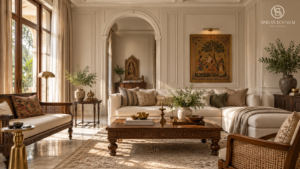
The living room is usually the first major interior space people notice in a home. It sets the tone for the rest of the house.
For this reason, living room furniture needs a careful balance. It should look refined, but it should also feel comfortable and usable.
A living room may include a main sofa, accent chairs, a center table, side tables, a console, a TV unit, display shelves, or built-in storage. But simply adding these pieces is not enough. Their placement and proportion decide whether the room feels open or heavy.
The sofa should suit the size of the room. Accent chairs should add interest without blocking movement. The center table should be easy to use from the seating. The TV unit or display wall should feel integrated with the architecture.
In luxury homes, the best living rooms do not look crowded. They feel layered, comfortable, and composed.
Dining Room Designer Furniture
A dining room needs both elegance and practicality.
The dining table is one of the most used pieces in a home. It has to look good, but it also has to work for daily meals, family gatherings, and hosting guests.
The size of the table should depend on the room size, number of users, chair clearance, and movement space. The chairs should be comfortable enough for long meals. The material should be durable and easy to maintain. The lighting above the table should align correctly with its size and placement.
Designer furniture in the dining area can also include a sideboard, crockery unit, bar cabinet, or display unit. These pieces should not feel like extra additions. They should support the function and mood of the dining space.
A well-planned dining area feels elegant without becoming formal to the point of discomfort.
Bedroom Designer Furniture
A bedroom should feel calm, personal, and restful.
This is where furniture needs restraint. Too much furniture can make the bedroom feel heavy. Poorly planned furniture can disturb the comfort of the room.
The bed is usually the main anchor. Its size, height, headboard, fabric, and placement decide the mood of the space. Side tables should align with the bed and lighting. Wardrobes should offer storage without visually overpowering the room. A dresser, lounge chair, or bench should be added only if the space allows it.
Designer furniture in bedrooms is not about filling corners. It is about creating ease.
The materials should feel warm and comfortable. The colors should support rest. The furniture should help the room feel private, soft, and uncluttered.
Lounge, Bar, and Entertainment Furniture
Lounges, bars, and entertainment rooms allow more freedom in furniture design.
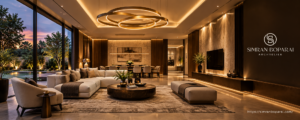
These spaces are usually more relaxed and expressive. They may use deeper tones, mood lighting, textured materials, and more informal seating. A lounge may need a deep sofa, ottomans, side tables, a media unit, or flexible seating. A bar may need a counter, high chairs, storage, display shelves, and integrated lighting.
Here, designer furniture should support how people gather and spend time.
If the family hosts often, seating should be comfortable and conversational. If the room is more private, the furniture can be softer and more relaxed. If the space is used for entertainment, furniture should work with acoustics, viewing angles, lighting, and circulation.
The goal is to make the space feel inviting, not staged.
Study and Home Office Designer Furniture
A study or home office needs furniture that supports focus.
The desk, chair, shelving, storage, lighting, and backdrop should all be planned together. A beautiful desk is not useful if it does not support actual work. A chair should be comfortable for long hours. Shelving should be practical, not just decorative. Cable management should be handled properly.
A study should feel sharp, calm, and organized.
Designer furniture can make a home office look professional without making it feel corporate. Materials like wood, leather, textured panels, and soft lighting can create a space that feels serious but still connected to the home.
Material Selection in Designer Furniture
Materials can make or break furniture.
The right material adds depth, warmth, and durability. The wrong material can make even an expensive piece look disconnected from the rest of the room.
Luxury furniture often uses materials such as natural wood, veneer, marble, brass, bronze, glass, leather, suede, linen, bouclé, stone, and textured finishes. But the material itself is not enough. The way it is used matters more.
For example, marble can look cold if there is no warmth around it. Dark wood can look heavy if used in excess. Glossy finishes can look loud if they are not balanced. Fabric can add softness, but the wrong texture may not suit the mood of the room.
Good material selection considers the following:
Durability
Furniture should be able to handle regular use.
Maintenance
The client should know how easy or difficult a material is to maintain.
Texture
Texture adds richness and prevents the room from looking flat.
Colour Tone
The furniture color should work with the flooring, walls, ceiling, and lighting.
Craftsmanship
Edges, stitching, joints, curves, polish, and hardware decide the final quality of the piece.
Luxury is often visible in these smaller details.
The Connection Between Furniture and Lighting
Furniture and lighting should never be planned separately.
A beautiful piece of furniture can look dull under poor lighting. A simple piece can look refined when the lighting is right.
A dining table needs lighting that highlights the table without creating glare. A console can become a feature when placed under a wall light or artwork. A headboard can feel warmer with soft backlighting. A bar unit can look more premium with concealed lights inside shelves.
Lighting also brings out the texture of materials. Wood grain, marble veining, fabric depth, and metal finishes all look better when lit correctly.
This is why designer furniture should be planned early in the interior design process. It affects electrical points, wall lights, pendant placement, floor lamps, and ceiling details.
Why Furniture Should Not Be the Last Decision
One of the biggest mistakes in interior design is leaving furniture for the end.
By that stage, many important decisions are already fixed. Electrical points are done. Wall paneling is complete. Ceiling lights are placed. Flooring is installed. Then furniture is selected, and compromises begin.
The sofa may block a plug point. The dining table may not align with the chandelier. The bed may not match the wall panel dimensions. The TV unit may feel forced. The side tables may not have the right lighting support.
When furniture is planned from the beginning, these issues can be avoided.
At Simran Boparai Archtelier, designer furniture is treated as part of the complete home design process. It is connected with space planning, interiors, lighting, material selection, and execution. This gives the final home a more finished and intentional feel.
Timeless Designer Furniture for Luxury Homes
Trends come and go. A luxury home should not feel outdated after a few years.
This is why timeless furniture design matters.
“Timeless designer furniture” does not mean boring furniture. It means pieces that are well-proportioned, well-made, and aligned with the character of the home. These pieces do not depend only on current trends. They have enough restraint to age well.
Some design choices usually last longer:
Clean Forms
Simple silhouettes often stay relevant for years.
Natural Materials
Wood, stone, leather, and quality fabrics bring warmth and longevity.
Balanced Colours
Neutral, earthy, and deep tones are easier to live with over time.
Refined Details
Small details like stitching, handles, legs, and edge profiles can make furniture special without making it loud.
Real Comfort
Furniture should be beautiful, but it must also be usable.
A home should not feel like a showroom. It should feel lived in, personal, and comfortable.
Common Mistakes People Make With Designer Furniture
Even with a good budget, furniture decisions can go wrong. The most common reason is lack of planning.
Buying Before Measuring Properly
Furniture should never be selected only by looking at images. Actual room measurements are critical.
Choosing Style Over Comfort
A chair that looks good but cannot be used comfortably is a poor choice.
Copying Trends Blindly
What looks good online may not suit the architecture or lifestyle of the home.
Using Too Many Materials
Too many finishes can make a room look busy and confused.
Ignoring Maintenance
Some luxury materials need regular care. That should be considered before selection.
Treating Furniture as Decoration
Furniture is not only visual. It has to support daily living.
Why Choose Simran Boparai Archtelier for Designer Furniture Planning
A luxury home needs design decisions that work together. Furniture cannot be selected in isolation from the architecture, interiors, lighting, and material palette.
Simran Boparai Archtelier brings a complete design approach where every furniture piece is planned as part of the larger space. This helps create interiors that feel consistent, elegant, and practical.
The sofa works with the wall design. The dining table works with the chandelier. The bedroom furniture works with the lighting and storage. The lounge furniture supports the way the family relaxes. The materials feel connected across the home.
This is what makes designer furniture valuable. It is not just about owning premium pieces. It is about creating a home where every piece has a reason to be there.
Final Thoughts
Designer furniture is one of the most important parts of a luxury home. It decides how the space looks, feels, and functions every day.
The right furniture brings comfort, proportion, warmth, personality, and structure. It makes the home feel complete. It helps every room serve its purpose better.
For luxury residences, furniture should never be treated as a last-minute purchase. It should be planned with the same care as architecture, lighting, materials, and finishes.
With a design-led approach, Simran Boparai Archtelier creates homes where furniture is not just placed inside the space. It becomes part of the space.
FAQ
What is Designer Furniture?
“Designer furniture” refers to furniture that is thoughtfully designed or selected for a specific space, style, lifestyle, and level of comfort. It focuses on proportion, material, detail, and function.
Why is designer furniture important in luxury homes?
Designer furniture is important because it affects how a luxury home looks, feels, and works in daily life. It brings comfort, structure, and personality to the interiors.
Is custom designer furniture better than ready-made furniture?
Custom designer furniture is often better for luxury homes because it can be planned according to exact room dimensions, materials, finishes, and usage needs.
How does furniture affect interior design?
Furniture affects movement, comfort, visual balance, storage, and the overall mood of the room. Poor furniture selection can make even a well-designed room feel incomplete.
What materials are best for designer furniture?
Common materials include wood, veneer, marble, leather, linen, bouclé, brass, bronze, glass, and stone. The best material depends on the room, usage, maintenance, and design language.